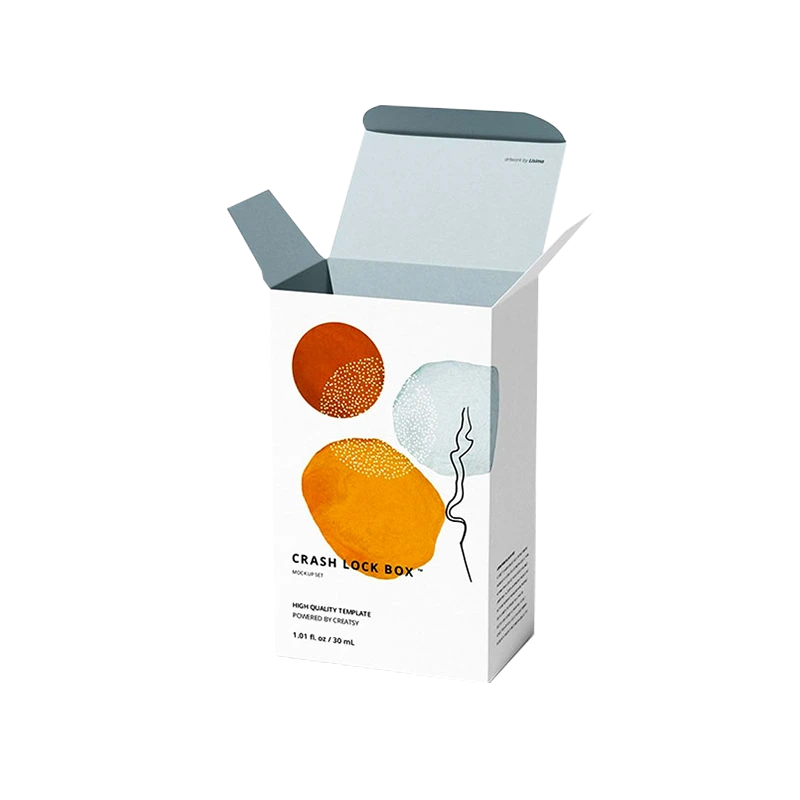
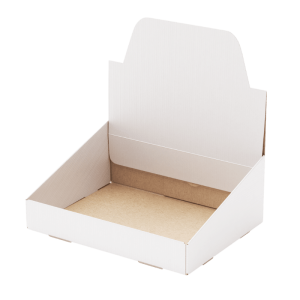
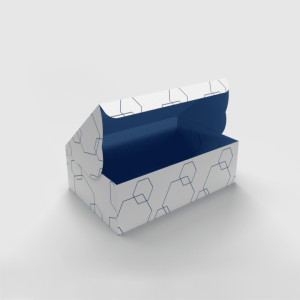
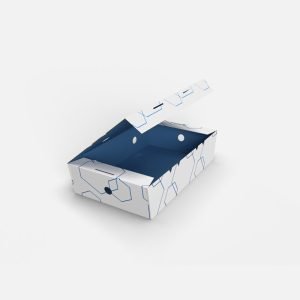
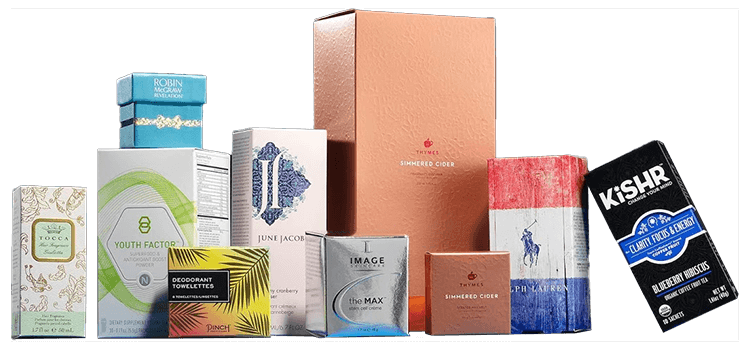
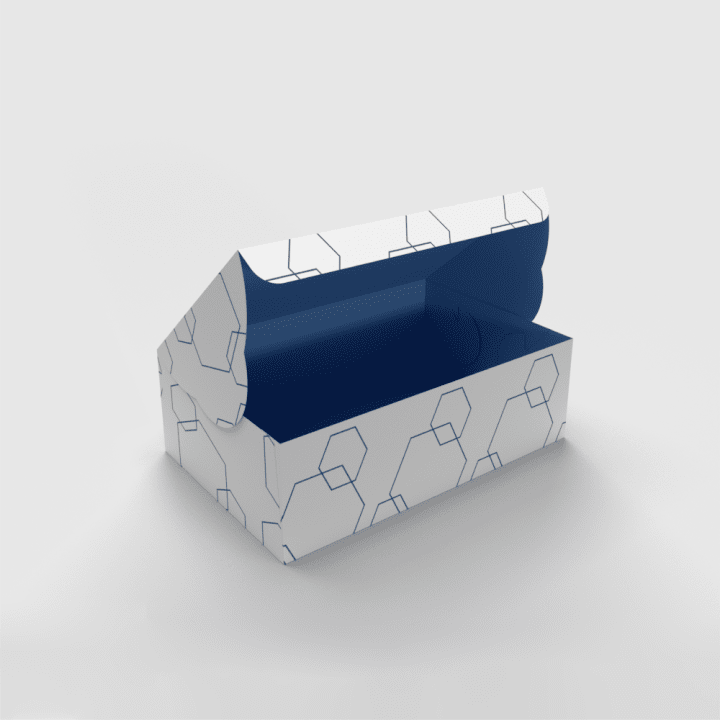
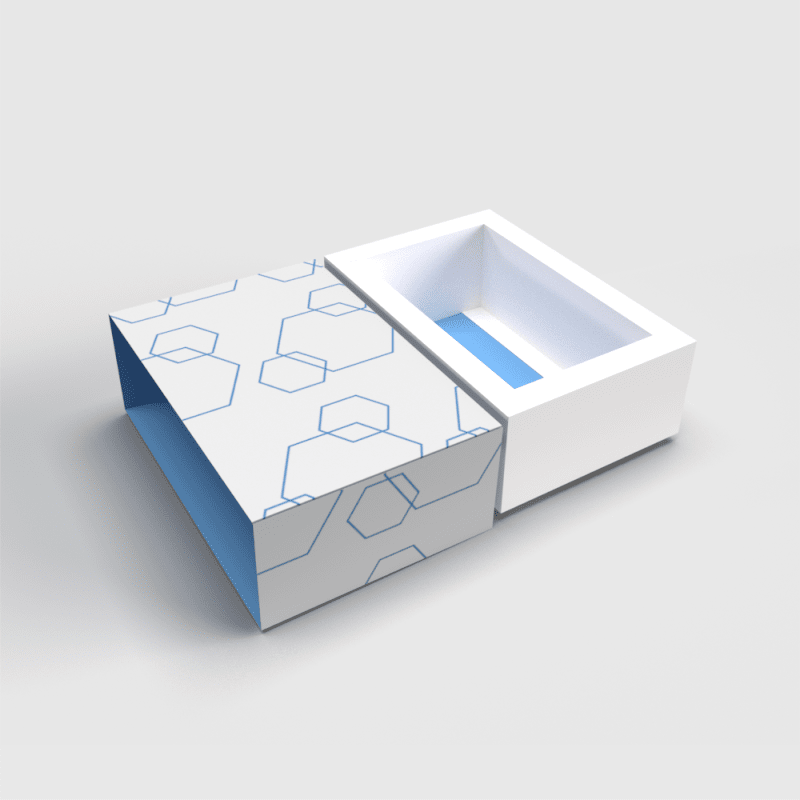
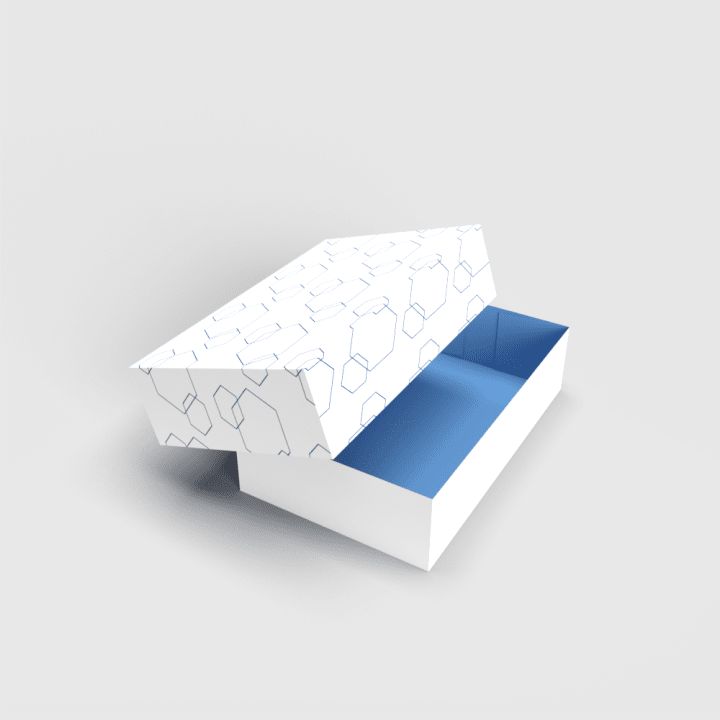
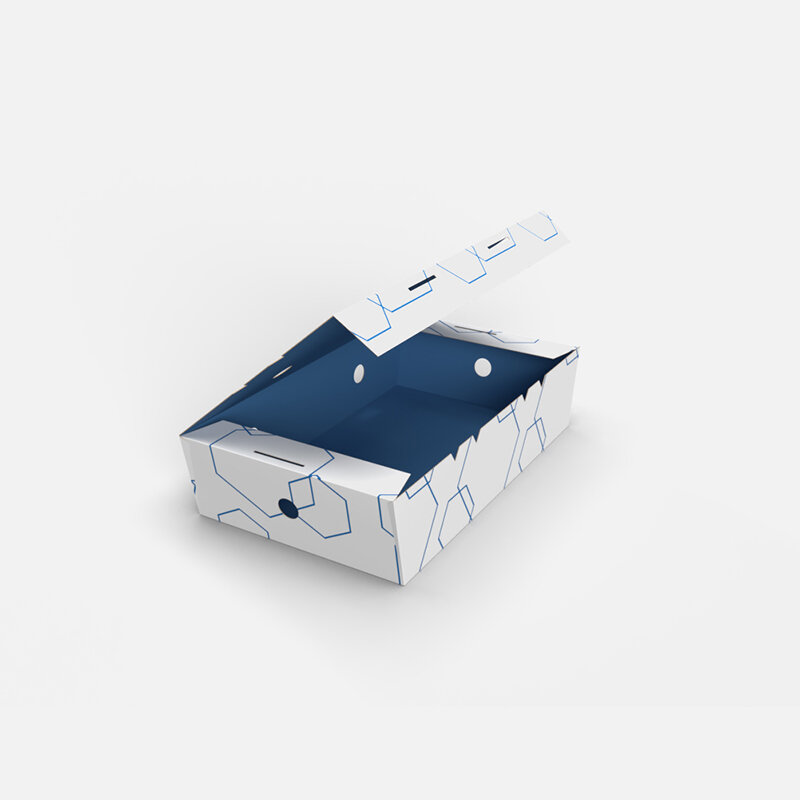
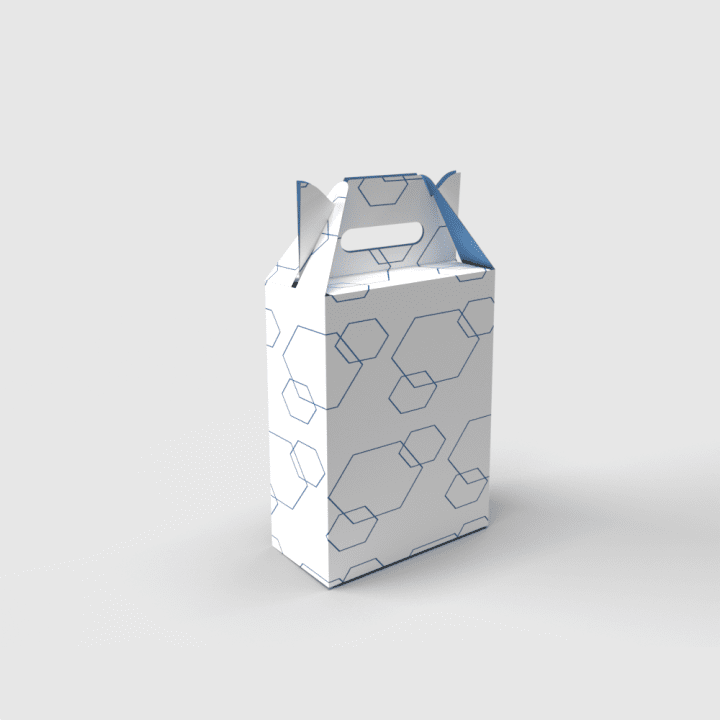
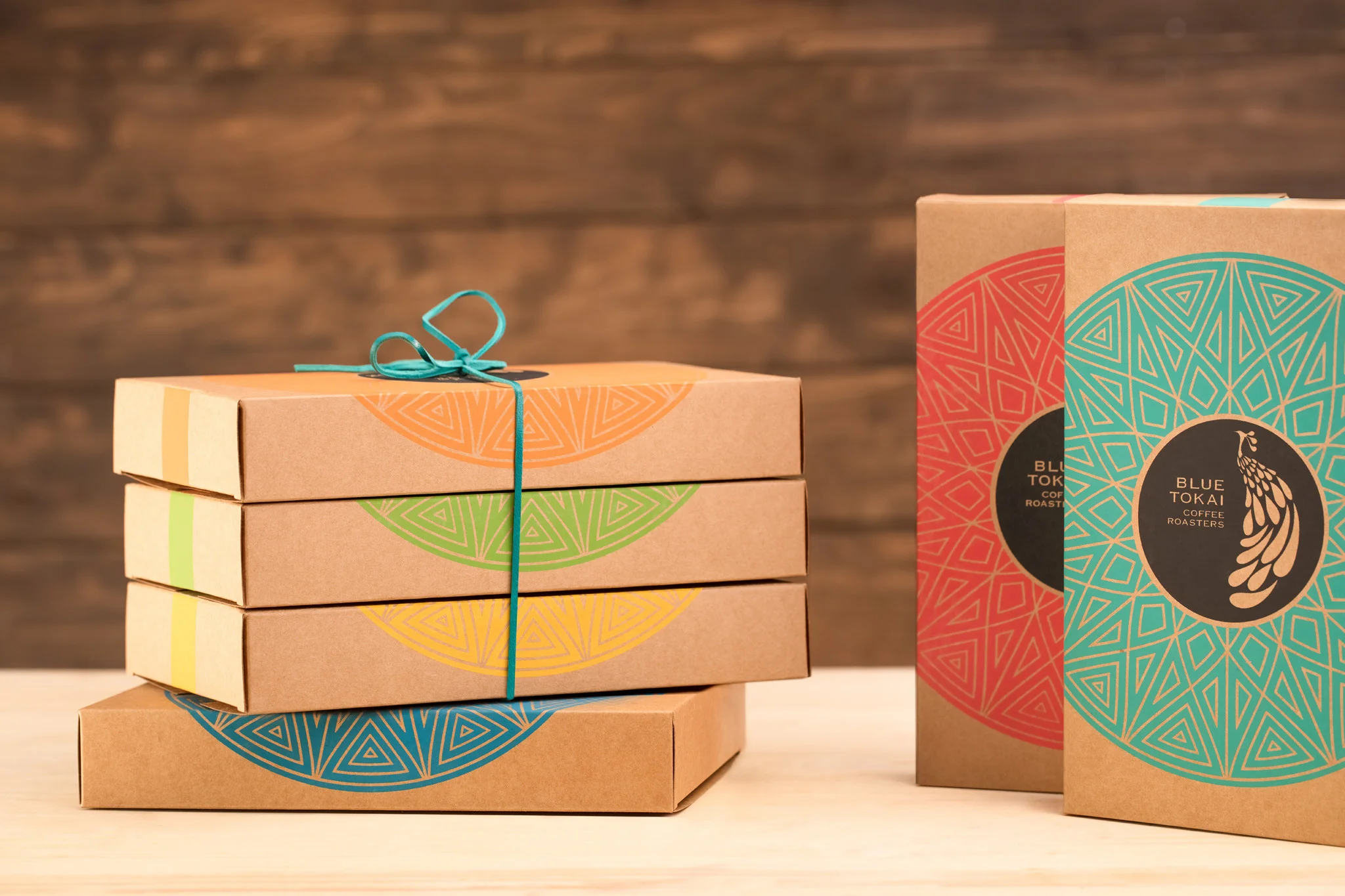
Custom folding carton boxes are lightweight paperboard packages made to fit individual retail products. They are typically supplied flat and assembled for use, with options such as custom printing, windows, hanging tabs and secure closures. For heavier products or shipping protection, compare our corrugated box styles.
Low MOQ starting from just 100 boxes.
Get your quote via email in few hours. No spam, no automated phone calls.
Choose a finished size around your product, then add custom printing outside, inside or on both surfaces.
Paperboard suits retail display and secondary packaging; for heavier products or parcel shipping, compare corrugated or rigid formats.
Flat-packed paperboard construction can reduce storage compared with rigid setup boxes while supporting detailed print and finishing options.
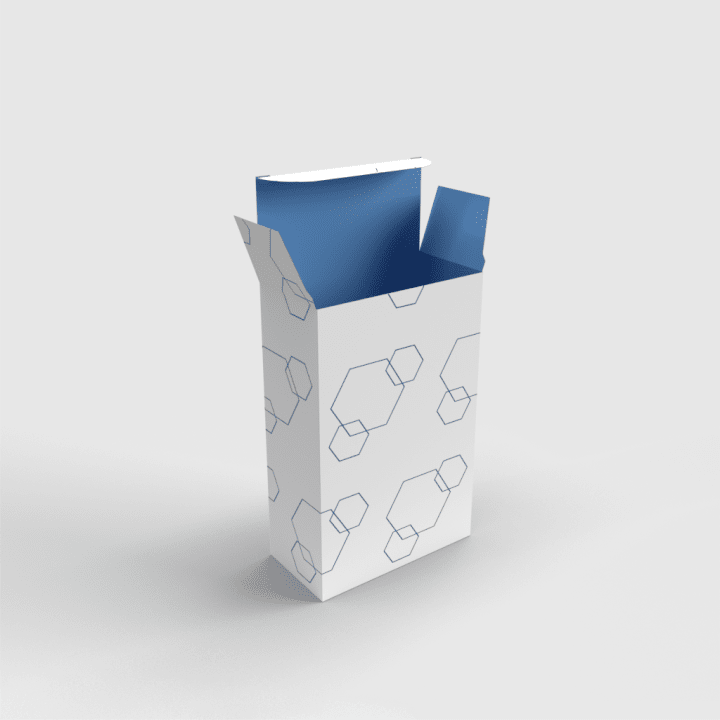
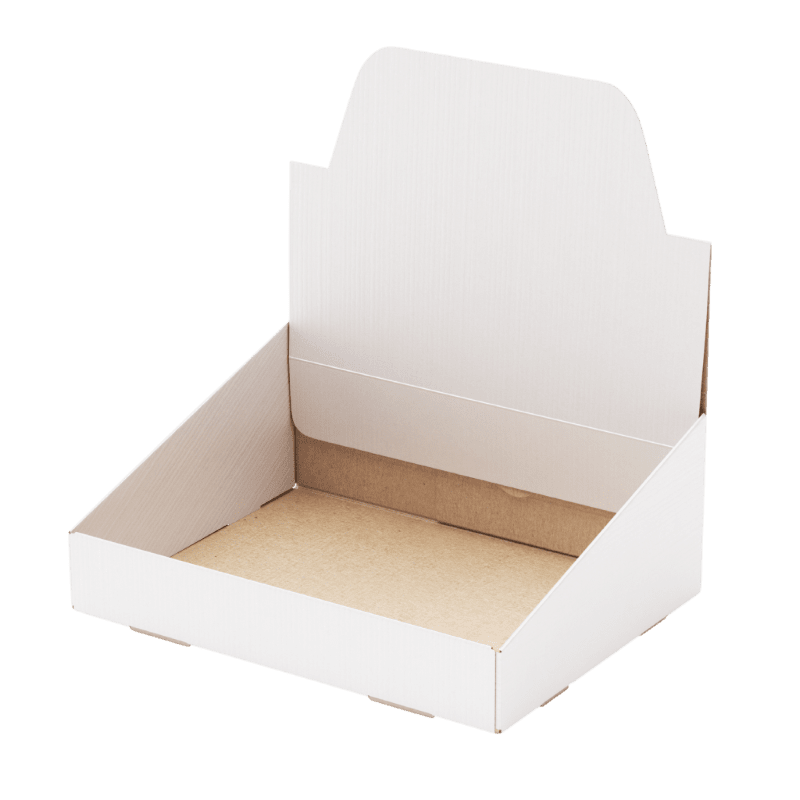
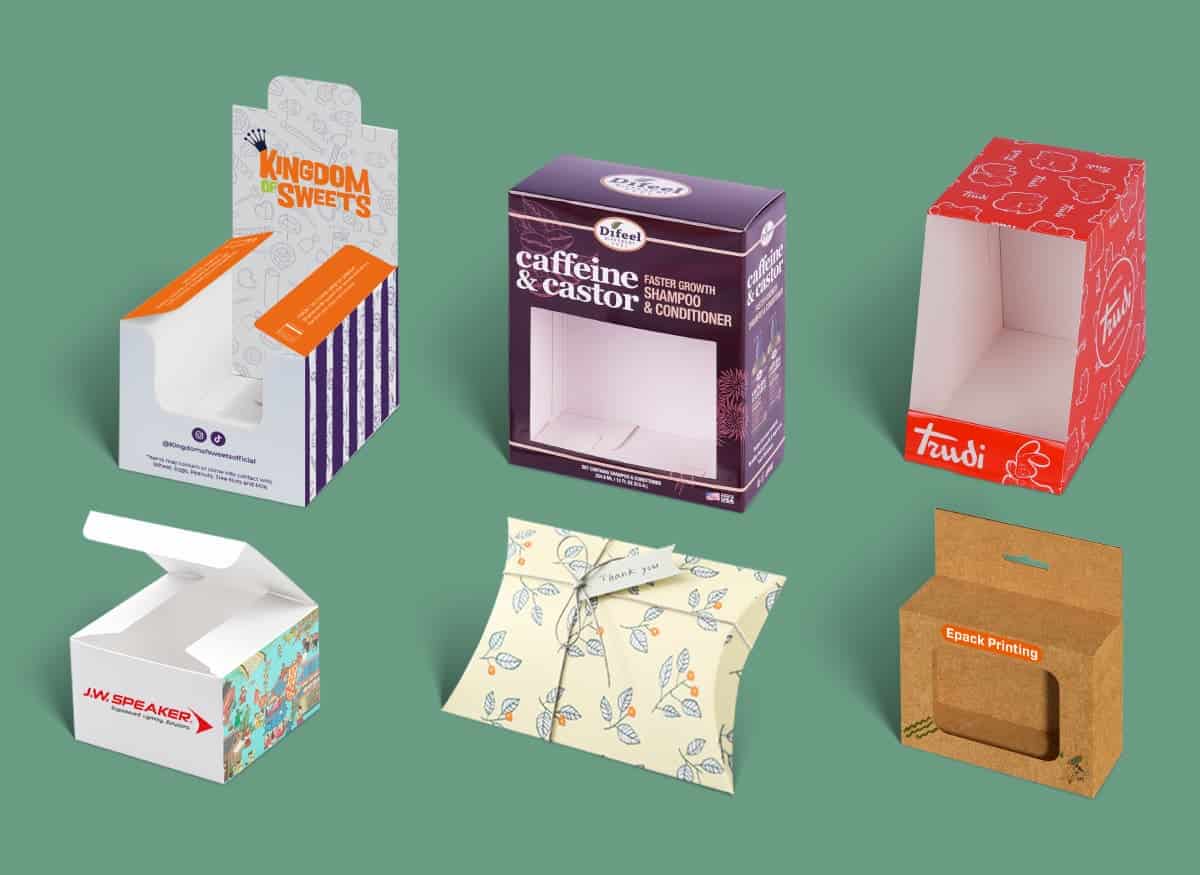
Compare common paperboard carton structures. Each can be sized, printed and finished around the product, display method and opening experience.
Choose tuck-in closures such as straight tuck end or reverse tuck end. Other structures include double tuck, seal end and lock-bottom styles, selected around product weight, access and assembly needs.
Folding cartons are most often used as secondary retail packaging around a product or its primary container. They may be suitable as primary packaging only when the board, coatings and production specification meet the product’s direct-contact requirements.
Primary packaging: When the carton directly contains the product, material safety, barrier performance and applicable contact requirements must be confirmed for that use.
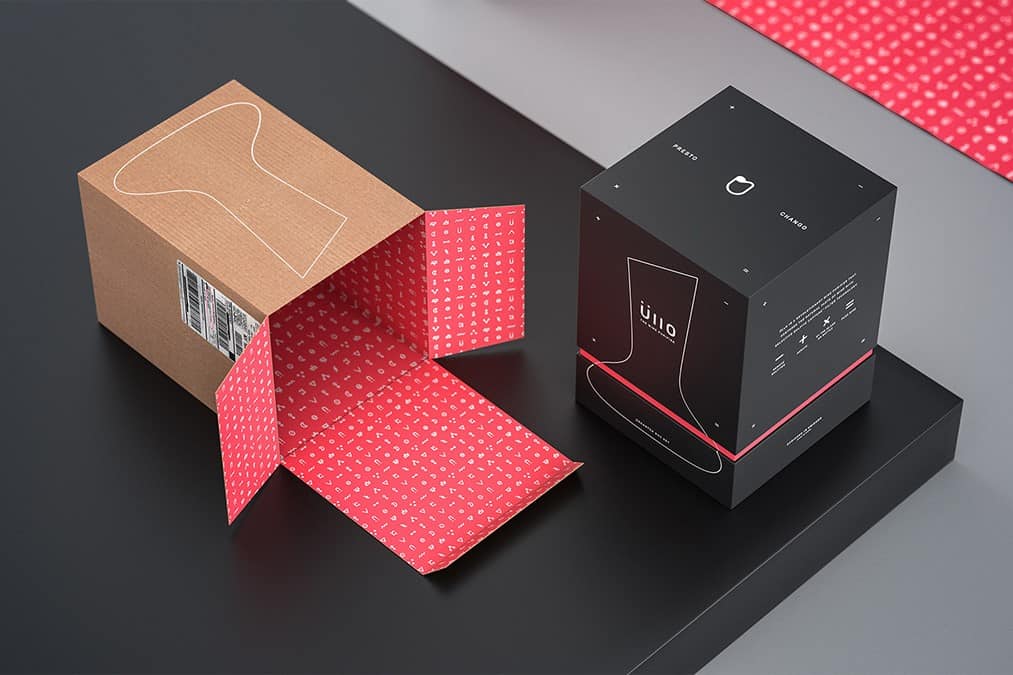
Secondary packaging: Paperboard cartons commonly group, protect and present products for retail. If the pack must withstand parcel shipping, heavy stacking or rough handling, compare corrugated boxes.
An outline of the common custom options available for Folding carton boxes.
PacksDo provides prepress and production support for custom folding cartons, including artwork checks, dieline coordination and conversion of approved files into press-ready formats.
Approved artwork and specifications can be retained for repeat orders when appropriate, helping teams reuse established packaging assets while coordinating future production runs.
Folding cartons can be sized around the product rather than a standard box range. The structure should reflect dimensions, weight, opening sequence, display method and any window, hanger, insert or closure requirements.
For premium non-collapsible presentation, compare rigid boxes. For parcel shipping or greater stacking strength, compare corrugated boxes.
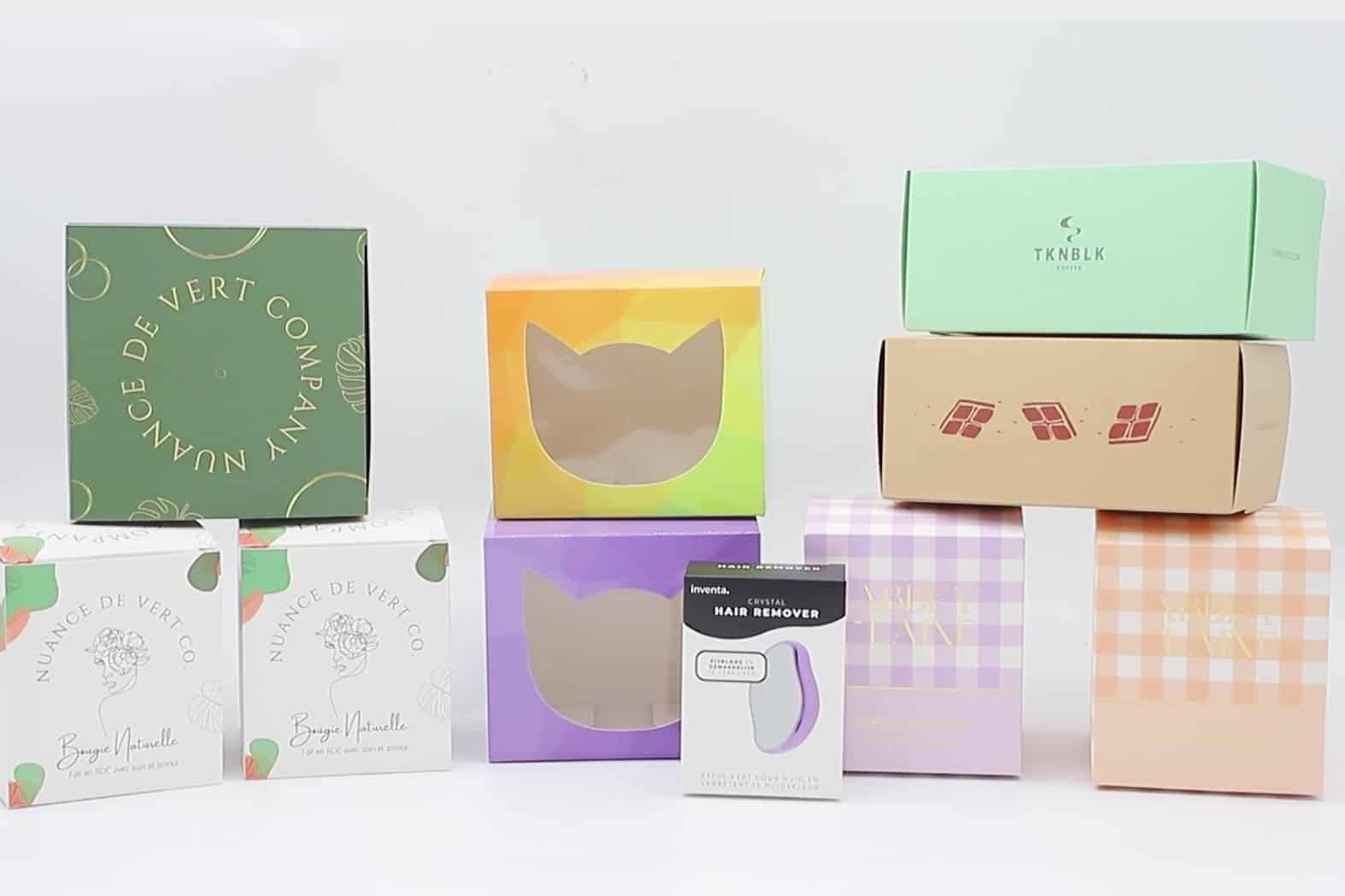
Folding cartons can combine full-color or spot-color printing with die-cut windows, custom closures, folding, gluing and finishing options. Availability depends on the board, structure, artwork and production specifications.
Child-resistant closure options and workflow support are available based on project requirements. Share the product, use case and compliance needs so the appropriate structure can be reviewed.
Paperboard folding cartons can support lightweight packaging designs and may be recyclable where local facilities accept the finished pack.
Recyclability depends on the board, inks, coatings, laminations, adhesives, windows and local collection rules. Share your material and end-of-life priorities so PacksDo can review compatible options for the project.
Paperboard is thicker and stiffer than standard paper. It can be die-cut, creased, folded and glued into lightweight cartons for individual products. The options shown on this page include white paperboard and brown kraft, with the board selected around the product’s size, weight, print requirements and desired finish.
Folding cartons are lightweight, ship flat to reduce storage space, and provide a smooth surface for custom printing. They can also be made in many structures, including tuck, display, pillow, tray-and-sleeve and gable styles. They are a practical choice for retail or secondary packaging when the product does not require the heavier construction of a corrugated mailer or rigid box.
Most folding cartons use paperboard. The standard options shown on this page are white paperboard and brown kraft. Corrugated board is a separate layered material used when greater stacking strength or protection is needed. The right material depends on the product’s weight, dimensions, handling needs, print requirements and desired appearance.
A folding carton is a good fit when a product needs a lightweight paperboard package with custom dimensions, printed branding and a closure suited to retail display or secondary packaging. Product weight, required protection and handling conditions should be checked before choosing it over corrugated or rigid packaging.
Folding cartons are usually lightweight paperboard boxes supplied flat and assembled for use. Mailer boxes generally use corrugated board and are designed for more shipping-oriented protection. Rigid boxes are pre-assembled setup boxes with a heavier, non-collapsible construction. The best format depends on product weight, protection needs, presentation and shipping conditions.
Provide the product type, finished box dimensions, quantity, preferred carton style and artwork status. Also include any printing, coating, finish, window, insert or closure requirements. Supporting artwork, sketches, dielines or reference images can be attached to the quote form when available.
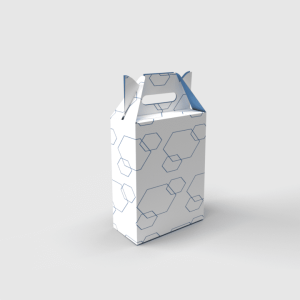
Pricing starts from $0.12 per unit. Final pricing depends on the finished box dimensions, material, quantity, printing, coatings, finishes, windows, inserts and other specifications. Request a quote for project-specific pricing.