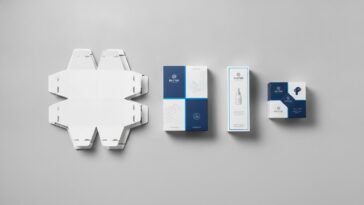
Your packaging is the only marketing channel with a 100% open rate. In a marketplace where first impressions are permanent, failing to leverage custom product boxes is a missed opportunity to anchor your brand’s value. You recognize the frustration of products arriving damaged due to a poor fit and the sting of high shipping fees from oversized cartons. It’s time to bridge the gap between logistical necessity and professional presentation in 2026.
This guide empowers you to master the technical and creative aspects of packaging to elevate your brand, secure your goods, and create an unforgettable unboxing experience. You’ll gain clarity on material choices like SBS versus corrugated board and learn how to optimize box sizing to slash shipping costs. We’ll walk through the essential components of a cohesive identity, from precision-engineered box inserts to vibrant packaging sleeves, ensuring every touchpoint reflects your professional polish.
Key Takeaways
- Differentiate between SBS, Kraft, and corrugated materials to select the perfect substrate for your product’s weight and retail environment.
- Leverage custom product boxes to build a cohesive brand identity that reduces shipping costs while maximizing visual impact.
- Utilize precision-engineered inserts to protect delicate goods and organize complex kits for a seamless, frustration-free unboxing.
- Master premium finishes and color-matching techniques to ensure your packaging looks as professional in person as it does on a digital screen.
- Scale your operations efficiently by moving from manual sourcing to a direct-to-manufacturer partnership that prioritizes speed and quality.
The Strategic Role of Custom Product Boxes in 2026
In the high-velocity retail environment of 2026, packaging has evolved far beyond its humble origins as a protective shell. Today, custom product boxes serve as a tailored strategic asset, bridging the gap between a digital transaction and a physical brand experience. They represent the “physical handshake” between your company and your customer. When a shopper receives a package, the tactile sensation, structural integrity, and visual clarity of the box provide the first tangible proof of your brand’s promise. It’s the moment where logistical precision meets creative storytelling.
Investing in professional packaging offers a substantial return on investment by shifting the focus from production costs to perceived value. A product housed in a generic, oversized container feels like a commodity; the same product presented in a precision-engineered folding carton feels like a premium acquisition. This transition from “survival shipping”-simply getting the item from point A to point B-to brand-building presentation is what separates market leaders from amateur outfits. Understanding the role of packaging and labeling is essential for any business aiming to anchor its identity in a crowded marketplace.
Beyond Protection: The Marketing Impact
Your packaging acts as a silent salesperson. On a retail shelf, custom product boxes use color, typography, and finish to capture attention in milliseconds. Beyond the store, the psychology of the unboxing experience plays a pivotal role in customer retention. A well-designed box invites social sharing, turning a single purchase into a viral marketing event. By maintaining consistent branding across your boxes, inserts, and sleeves, you reinforce brand recognition and build the kind of trust that drives repeat business.
Custom vs. Stock Packaging
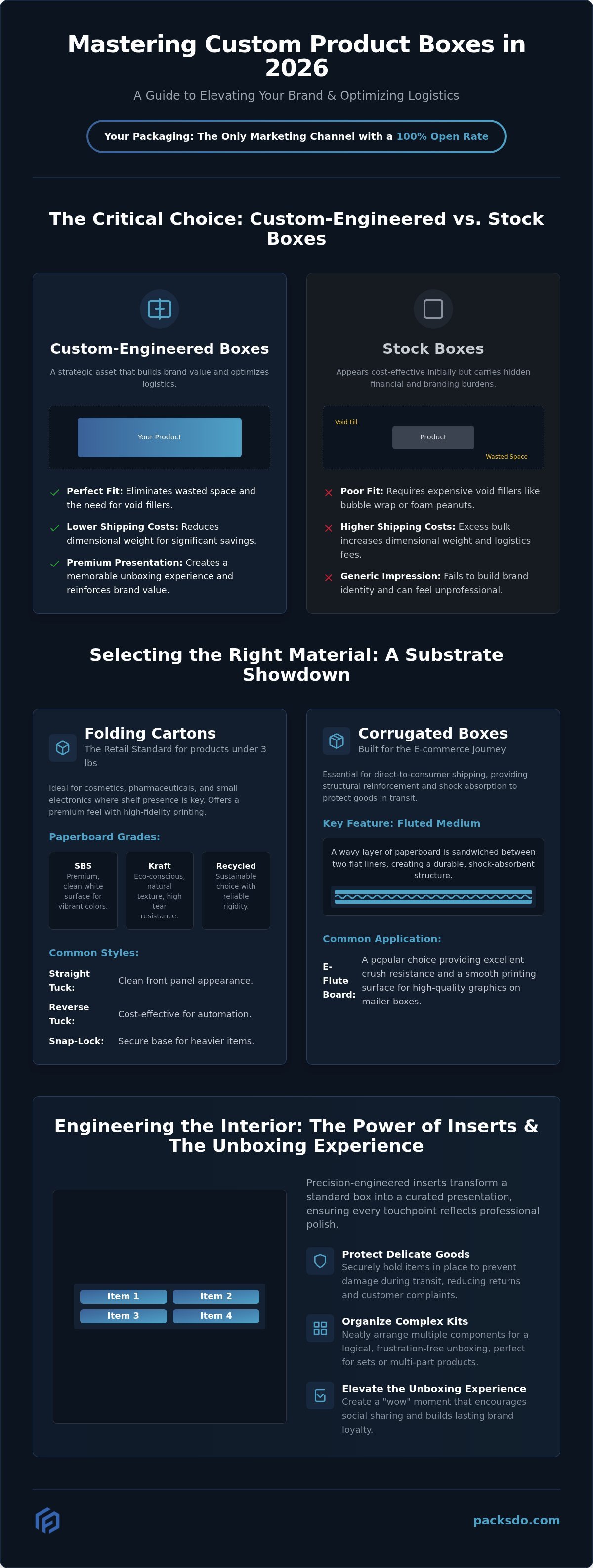
While stock boxes might seem cost-effective initially, they often carry hidden financial burdens. “One size fits all” packaging usually results in excess empty space, requiring expensive void fillers like bubble wrap or foam peanuts to prevent damage. This extra bulk increases the dimensional weight of your shipments, leading to higher logistics fees. Custom sizing eliminates these inefficiencies. By tailoring the dimensions to your specific product, you reduce shipping costs, minimize waste, and project a level of professionalism that stock packaging simply cannot match. Precision engineering ensures your goods are secure while your brand remains distinct.
Selecting the Right Material: Folding Cartons vs. Corrugated
Choosing the right substrate is the most critical technical decision in the design process. It determines whether your custom product boxes arrive as a pristine brand ambassador or a crushed disappointment. You must balance the product’s weight against the rigors of its intended environment. A heavy glass bottle requires a different structural approach than a lightweight tube of cream. Precision here prevents the amateur look of a box that’s either too flimsy or unnecessarily bulky.
In 2026, paperboard grades offer more versatility than ever. Solid Bleached Sulfate (SBS) remains the gold standard for premium retail. It provides a clean, white surface that makes high-fidelity colors pop. Kraft paperboard appeals to the eco-conscious consumer with its natural, earthy texture and high tear resistance. For brands prioritizing a circular economy, high-percentage recycled boards now offer the rigidity needed for most retail applications without the environmental footprint of virgin fibers. Modern manufacturing has closed the gap between “recycled” and “reliable.” If you want a deeper understanding of how material selection intersects with print quality and brand aesthetics, the definitive buying guide to custom printed boxes in 2026 provides a comprehensive breakdown of every key decision point.
Folding Cartons: The Retail Standard
Folding cartons are the lightweight champions of the retail shelf. They are ideal for cosmetics, pharmaceuticals, and small electronics where shelf space is at a premium. While these cartons aren’t designed for heavy-duty shipping alone, their structural integrity is impressive for items under three pounds. Getting your folding carton sizes precisely right is essential to achieving the tailored fit that protects your product and elevates your brand presence. You can choose from several opening styles to enhance the user experience:
- Straight Tuck: Both flaps fold toward the same side, creating a clean front appearance.
- Reverse Tuck: Flaps fold in opposite directions, often more cost-effective for high-speed automated packing.
- Snap-Lock Bottom: Also known as a 1-2-3 bottom, this provides extra security for slightly heavier items that might otherwise fall through the base.
Corrugated Product Boxes: For the Journey
When your product enters the e-commerce ecosystem, it needs the structural reinforcement of corrugated board. Unlike flat paperboard, corrugated material utilizes a fluted medium between two liners to absorb shocks. For custom product boxes intended for direct-to-consumer shipping, E-flute is the preferred choice. It offers a slim profile that still takes print beautifully. If your goods are fragile or exceed five pounds, B-flute provides the extra wall thickness necessary to survive the “last mile” of delivery.
Sustainability in 2026 demands that we balance these protective layers with environmental responsibility. Modern corrugated engineering allows for thinner, lighter flutes that maintain high crush tests, reducing the overall carbon footprint of your logistics. If you’re unsure which grade fits your specific SKU, exploring direct-to-manufacturer material options can clarify the best path forward for your brand’s durability and design goals.
Engineering the Interior: The Power of Custom Box Inserts
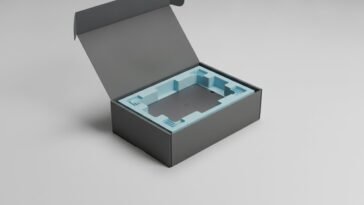
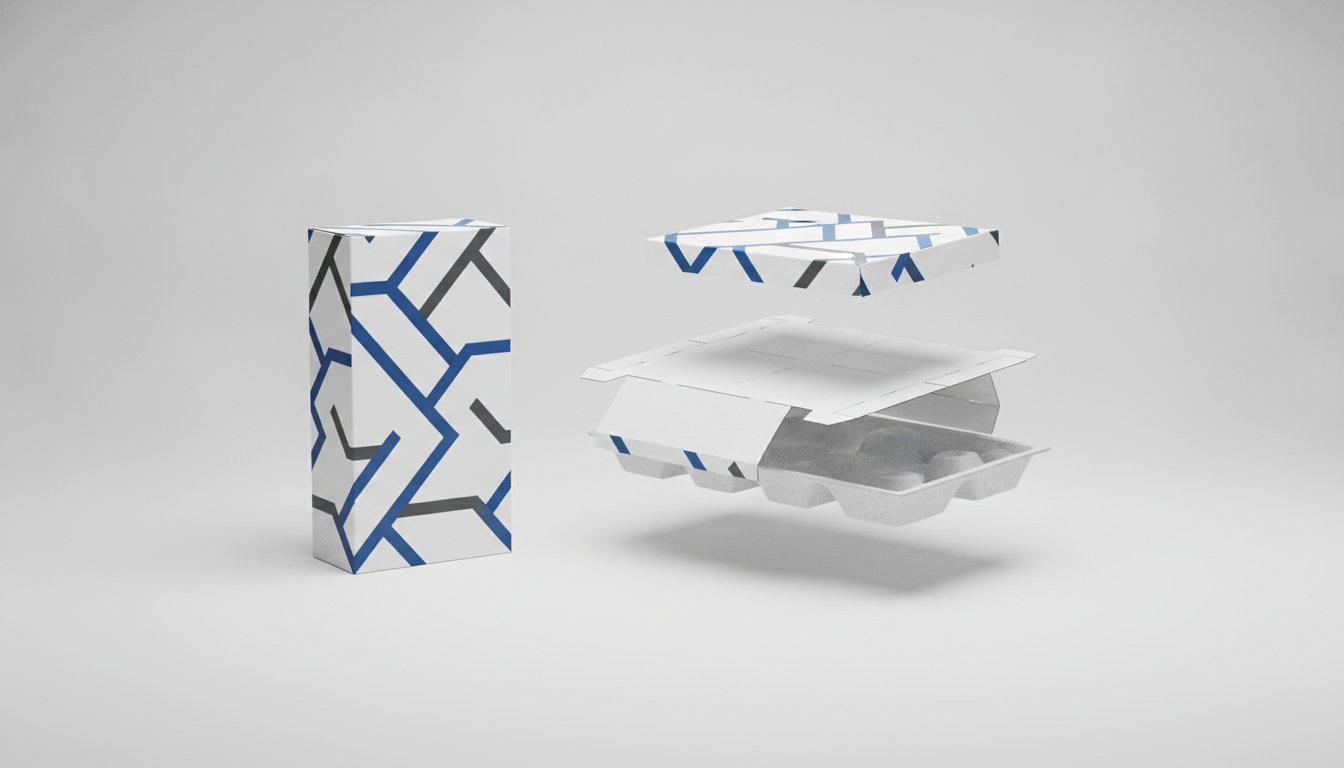
Structural integrity doesn’t stop at the outer wall. While the exterior of custom product boxes captures the initial gaze, the interior architecture defines the product’s safety and the customer’s final impression. A product that rattles or shifts during transit feels unfinished; it suggests a lack of care in the manufacturing process. Custom box inserts act as the internal skeleton of your packaging, providing the necessary bracing to survive the vibrations of the shipping journey. By engineering a precise fit, you eliminate the risk of internal friction and cosmetic scuffing.
Choosing the right material for your insert depends on your product’s fragility and your brand’s sustainability goals. Corrugated inserts offer a rigid, 100% recyclable solution that matches the aesthetic of Kraft packaging perfectly. For high-end electronics or delicate glassware, high-density foam provides superior shock absorption and a plush, luxurious feel. If your product consists of numerous small components, plastic vacuum-formed trays offer the tightest tolerances to keep every piece in its place. This level of organization doesn’t just protect; it communicates that every detail has been considered.
Functional Security with Custom Inserts
Secure your goods with precision-cut engineering. Custom inserts remove the guesswork from packing, ensuring that your team can pack orders with consistent accuracy. By locking each item into a dedicated die-cut slot, you negate the need for unsightly bubble wrap or messy packing peanuts. This streamlines your fulfillment process and reduces the overall volume of the box, which directly lowers your dimensional weight shipping costs. For complex product sets, tiered inserts allow you to stack components vertically, maximizing space without compromising on protection.
Aesthetic Alignment
Design a reveal that delights the senses. Your inserts should function as a frame, highlighting your product the moment the lid is lifted. By aligning the color and finish of your insert with your custom product boxes, you create a cohesive brand story that feels intentional. You can use inserts to display accessories, cables, or documentation in a way that feels curated rather than cluttered. This professional presentation bridges the gap between a simple purchase and a premium experience, encouraging customers to share their unboxing on social media and return for future purchases.
Visual Impact: Printing Techniques and Premium Finishes
Visual identity is the soul of your custom product boxes. While the material provides the body and the insert provides the security, the printing and finishing determine how your brand is perceived at first glance. It’s the difference between a box that gets tossed and one that gets kept. Transforming a structural shell into a visual masterpiece requires a firm grasp of modern manufacturing techniques. You aren’t just applying ink to paper; you’re anchoring your brand’s presence in the physical world.
Offset printing remains the gold standard for high-volume orders where precision is non-negotiable. It offers the sharpest detail and the most consistent color application for intricate designs. If you’re launching a limited edition or need a fast turnaround for a smaller batch, digital printing provides a cost-effective path without the need for expensive plates. For large-scale corrugated production, flexographic printing offers speed and efficiency. Don’t compromise on color accuracy. Utilize Pantone matching to ensure your signature brand colors remain identical across every production run, regardless of the substrate used. For a complete overview of how printing techniques align with material choices and finishing options, reviewing a thorough guide to selecting and ordering custom printed boxes can help you avoid costly production mistakes.
Utilize every inch of real estate by printing on the inside of your boxes. This “hidden” branding creates a secondary wave of excitement during the unboxing process. It’s the perfect place for social media handles, brand origin stories, or a simple thank-you note. To see how these elements come together in a professional production environment, you can explore our custom printing and finishing options to find the perfect match for your project.
Modern Finishing Options
Sensory experience drives brand loyalty. Matte lamination offers a soft, sophisticated feel that reduces glare and resists fingerprints; meanwhile, gloss lamination provides a high-energy, vibrant sheen that makes colors pop. For a truly premium touch, consider Spot UV to add a raised, glossy texture to specific design elements like your logo. Embossing and metallic foil stamping add a three-dimensional quality that invites the customer to touch and interact with the packaging. Aqueous coatings provide a final layer of protection, ensuring your graphics remain scuff-free during the rigors of shipping.
Designing for Print
Technical preparation prevents production delays. Always design your artwork using vector graphics to ensure your logo and typography stay crisp at any scale. Raster images often pixelate when enlarged, which can make your brand look amateur. Pay close attention to dielines and bleed areas; these are the roadmaps that tell the cutting and folding machines exactly where to operate. Before committing to a full production run, always request a physical prototype. Seeing the structural integrity and print quality in person allows you to make final adjustments, ensuring the final result is nothing short of perfection.
Scaling Your Brand with a Custom Packaging Partner
Transitioning from small-batch orders to wholesale production is a defining moment for any growing business. It requires a shift from simple procurement to a strategic manufacturing partnership. When you scale, the margin for error shrinks. You need a partner who understands the technical nuances of high-volume runs and can maintain consistent quality across thousands of units. Moving to a direct-to-manufacturer relationship eliminates the middleman, ensuring that your custom product boxes are produced with maximum efficiency and clear communication.
Evaluating a potential supplier goes beyond comparing price points. You must assess their ability to handle seasonal surges and manage inventory lead times effectively. A reliable partner acts as a creative enabler, offering a steady hand through the complexities of production while prioritizing industrial reliability. Look for a manufacturer that values precision and offers the speed necessary to keep your shelves stocked during peak demand periods. This collaborative approach ensures your packaging evolves alongside your brand’s success.
For businesses that explore Direct Product Sales of Fire Features and Accessories, the transition to custom, high-strength packaging is essential to protect heavy, handcrafted items while maintaining a premium brand image during transit.
Cohesive Branding Beyond the Box
Professionalism is found in the details. While your primary container does the heavy lifting, secondary elements create a fully immersive brand experience. Integrating packaging sleeves allows you to update your look for seasonal promotions or limited-edition releases without redesigning your entire inventory. You can further refine the presentation by using branded hang tags and stickers to add a finished, tactile touch. For e-commerce fulfillment, matching your custom product boxes with cohesive poly mailers ensures a unified identity from the moment the courier arrives at the customer’s door.
To build a truly seamless visual identity that extends from your product delivery to your physical storefront, you can learn more about Signarama and their specialized branding and signage solutions.
Next Steps to Your Custom Solution
Preparation is the foundation of a successful production run. Before reaching out to a manufacturer, ensure you have gathered your precise product dimensions and weight requirements. This data allows for the engineering of a perfect fit, reducing waste and shipping costs. Referencing a comprehensive folding carton sizes guide for 2026 can help you accurately account for material thickness and internal versus external measurements before you finalize your specifications. You should also define your brand’s aesthetic direction. Are you aiming for a minimalist, high-contrast look, or a textured, industrial feel? Having a clear vision helps your partner suggest the best materials and finishes to bring your concept to life.
Elevate your brand with PacksDo custom product boxes today.
Master Your Brand’s Physical Future
Your journey toward retail excellence requires more than just a container. It demands a strategic alignment of structural engineering and sensory design. By selecting the right substrates and mastering the “reveal” through precision-cut inserts, you transform custom product boxes into powerful brand ambassadors. You’ve learned how optimized sizing slashes shipping costs while premium finishes like Spot UV and embossing anchor your authority in the marketplace. Now, it’s time to bridge the gap between logistical need and professional distinction.
Leveraging direct manufacturer expertise is the fastest way to scale without compromising on quality. Whether you need specialized folding carton production or intricate box inserts, having a reliable craftsman by your side ensures your vision is executed with industrial precision. With nationwide shipping and support, you’re never alone in the production process. Start your custom packaging project with PacksDo today and turn your logistical requirements into a competitive advantage. Your brand’s elevation begins with the very first box.
Frequently Asked Questions
What is the difference between a folding carton and a corrugated box?
Folding cartons consist of a single layer of paperboard, making them the preferred choice for lightweight retail items like cosmetics or small electronics. Corrugated boxes utilize a fluted inner layer sandwiched between two liners to provide the structural strength necessary for shipping. While folding cartons prioritize a slim, premium shelf presence, corrugated materials are engineered to absorb shocks during the e-commerce journey. Choosing the right one depends on your product’s weight and its primary environment.
What are the minimum order quantities (MOQs) for custom product boxes?
Minimum order quantities fluctuate based on your chosen manufacturing process and the complexity of your design. Digital printing often allows for smaller initial runs, which is perfect for startups or limited-edition launches. Offset printing typically requires higher volumes to account for the setup costs of physical plates. You should consult directly with your manufacturer to find a production scale that balances your budget with your inventory needs for custom product boxes.
How do I choose the right box insert material for my product?
Match your insert material to the fragility and weight of your goods to ensure maximum security. Corrugated inserts offer an eco-friendly, rigid solution for sturdy items, while high-density foam provides a plush, shock-absorbing frame for delicate electronics or glassware. If you’re managing complex kits with many small parts, vacuum-formed plastic trays offer the tightest tolerances. Each material impacts the unboxing experience and the total weight of your package.
Can I print on the inside of my custom product box?
Yes, printing on the interior is a highly effective way to utilize every inch of your packaging’s real estate. This technique creates a secondary “reveal” that surprises customers when they open the lid, providing a perfect space for social media handles, thank-you notes, or assembly instructions. It transforms a standard container into a fully immersive brand experience. Internal printing ensures your brand’s voice is the first thing a customer sees upon opening.
How long does it typically take to manufacture and ship custom boxes?
Lead times fluctuate based on the complexity of your dielines, the selected finishing options, and current production volumes. The process generally involves three distinct phases: digital proofing, physical production, and final transit. While some digital runs move quickly, high-volume offset orders with custom coatings require more time for plate creation and drying. It’s best to plan your order well in advance of product launches or seasonal surges to account for these variables.
What file formats do I need to provide for high-quality packaging printing?
Provide your artwork in vector-based formats such as AI, EPS, or print-ready PDF to ensure the highest clarity. Vector files allow your logos and typography to be scaled to any size without losing sharpness or becoming pixelated. If you use raster images, they must meet high-resolution standards, typically 300 DPI or higher, to avoid an amateur, blurry appearance. Always ensure your fonts are outlined and your colors are set to CMYK or Pantone.
Do custom product boxes really help reduce shipping costs?
Custom packaging significantly lowers logistics fees by optimizing the dimensional weight of your shipments. When you tailor the box dimensions to your specific SKU, you eliminate the “dead space” that carriers charge for in oversized stock boxes. This precision also reduces the need for expensive void fillers like bubble wrap or packing peanuts. Smaller, lighter boxes result in a leaner supply chain and direct savings on every order you fulfill.
How do I ensure my brand colors are consistent across different packaging materials?
Utilize the Pantone Matching System (PMS) to maintain a cohesive identity across various substrates. Because ink absorbs differently into porous Kraft paper than it does into coated SBS board, standard CMYK printing can lead to noticeable color shifts. Pantone matching provides a universal language for ink formulation, ensuring your signature brand colors remain identical whether they’re printed on a folding carton, a corrugated box, or a packaging sleeve.