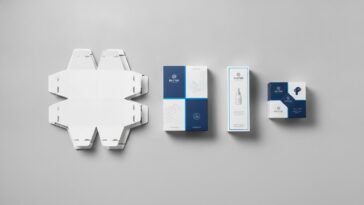
Could a few strategic folds be the secret to doubling your product’s perceived value? Many brands treat custom tuck boxes as a basic utility, but the right choice is actually a sophisticated bridge between logistical safety and high-end retail storytelling. You probably already realize that your packaging is the first physical handshake between your brand and your customer. If that box arrives crushed or feels confusing to open, you’ve lost the chance to make a premium first impression.
It’s common to feel overwhelmed by technical acronyms like STE and RTE or to worry that a box might pop open during shipping. We’re here to replace that uncertainty with professional confidence. This guide shows you how to select the ideal tuck box style, material weight, and tactile finish to transform your product into a high-conversion retail experience. You’ll gain a clear understanding of packaging mechanics and the creative insight needed to build a retail presence that looks as professional as the product inside.
Key Takeaways
- Recognize how the unboxing experience serves as a physical handshake that builds customer loyalty and reinforces your brand’s perceived value.
- Navigate the structural choice between straight and reverse tuck designs to optimize both retail aesthetics and manufacturing efficiency.
- Select the ideal material weight and finish for your custom tuck boxes to balance tactile luxury with industrial-grade protection.
- Discover how custom-engineered inserts provide the ultimate defense against shipping damage by securing your product firmly in place.
- Leverage precision engineering to move your packaging from a logistical necessity to a high-conversion retail tool.
The Strategic Value of Custom Tuck Boxes for Modern Brands
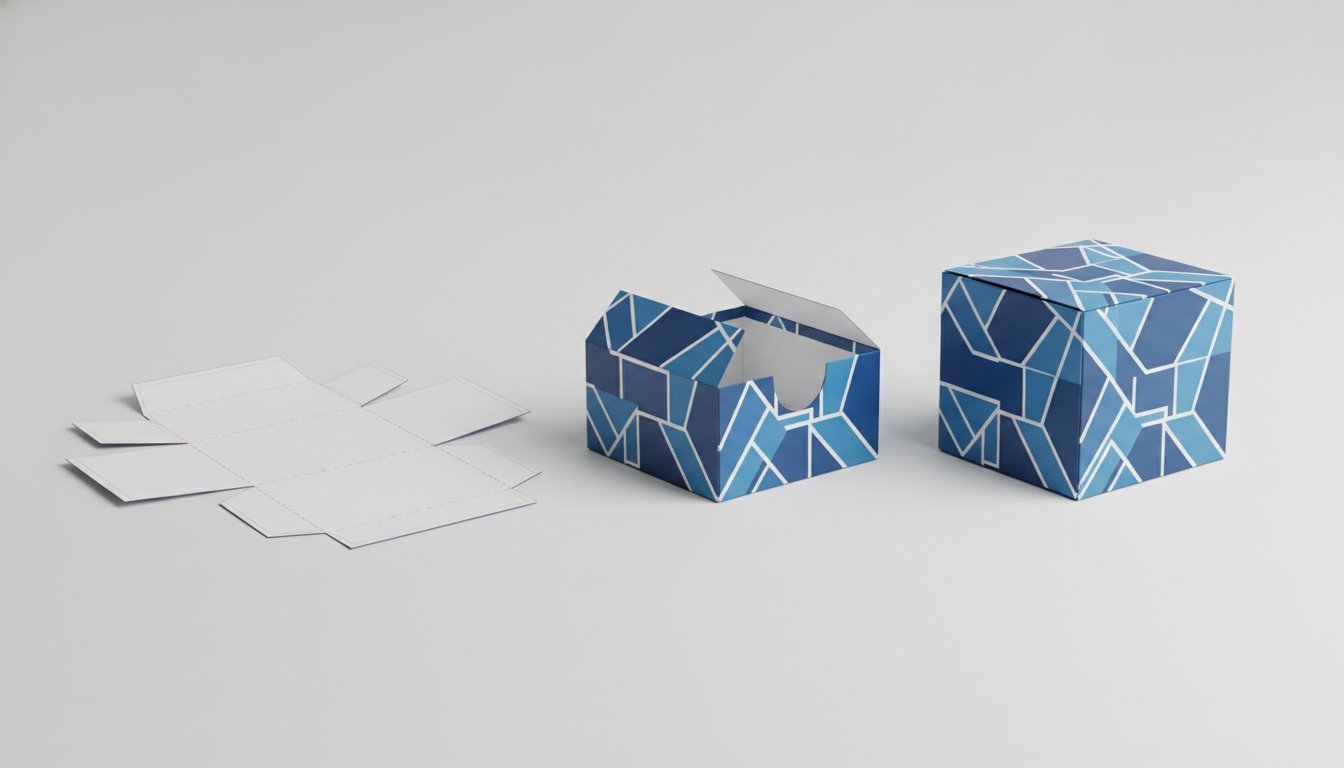
Custom tuck boxes represent more than just a simple container; they’re a precise instrument of brand communication and logistical efficiency. At its core, a tuck box is a versatile folding carton that utilizes one or two hinged flaps to secure its contents. This design has become a cornerstone of the folding carton packaging industry because it balances structural integrity with a clean, professional aesthetic. It’s the primary choice for sectors where presentation is paramount, such as cosmetics, pharmaceuticals, and luxury small goods. By choosing this format, you’re adopting an industry standard that signals quality and reliability to your end user.
Think of your packaging as the “first handshake” with your customer. This initial physical interaction often dictates whether a buyer becomes a repeat advocate or a one-time purchaser. High-volume fulfillment centers favor tuck boxes because of their ingenious “no-glue” assembly process. Your team can snap these boxes into shape in seconds, which drastically reduces labor time without sacrificing the box’s structural strength. It’s a solution that moves you quickly from a state of logistical need to a vision of professional brand elevation.
Retail Presence vs. E-commerce Durability
Position your product to win on the retail shelf by maximizing vertical billboard space. The flat, expansive front of a tuck box provides the perfect canvas for high-impact graphics and premium finishes that capture attention in a crowded marketplace. When transitioning to e-commerce, remember that while these boxes excel at presentation, they often require a secondary outer mailer or corrugated box to survive the rigors of transit. For modern D2C brands, the custom tuck box is the primary packaging powerhouse that defines a product’s physical identity and retail readiness.
The Psychology of the Unboxing Experience
Quality is a sensory experience that your customers can hear and feel. The specific “click” or soft resistance of a well-manufactured tuck flap creates an immediate “premium” perception. This friction fit is a hallmark of precision engineering; it tells the customer that the product inside is secure and meticulously handled. You can further surprise and delight your audience by utilizing the interior flaps for custom branding, hidden messages, or vibrant patterns. These small details transform a routine unboxing into a memorable event, fostering a deeper emotional connection between the consumer and your brand.
Straight Tuck vs. Reverse Tuck: Selecting the Optimal Structural Design
Engineering a box requires a strategic choice between two primary structural configurations. While they might look identical to the untrained eye, the direction of the folds dictates how your product is presented and how much waste is generated during production. Choosing the right style for your custom tuck boxes is a balance of aesthetic intent and industrial practicality. It’s about moving from a basic container to a precision-engineered retail tool.
Before you commit to a die-line, consider this simple decision matrix. Heavy items often benefit from the reinforced nature of specific closures, while products with window cut-outs require the clean edges of a straight tuck. If you’re managing a tight budget for a massive product launch, the material savings of a reverse tuck will be your greatest ally. Experts in sustainable packaging, materials science, and design emphasize that structural integrity begins with the fold. If you’re unsure which direction suits your specific SKU, you can explore our professional folding cartons to see these mechanics in action.
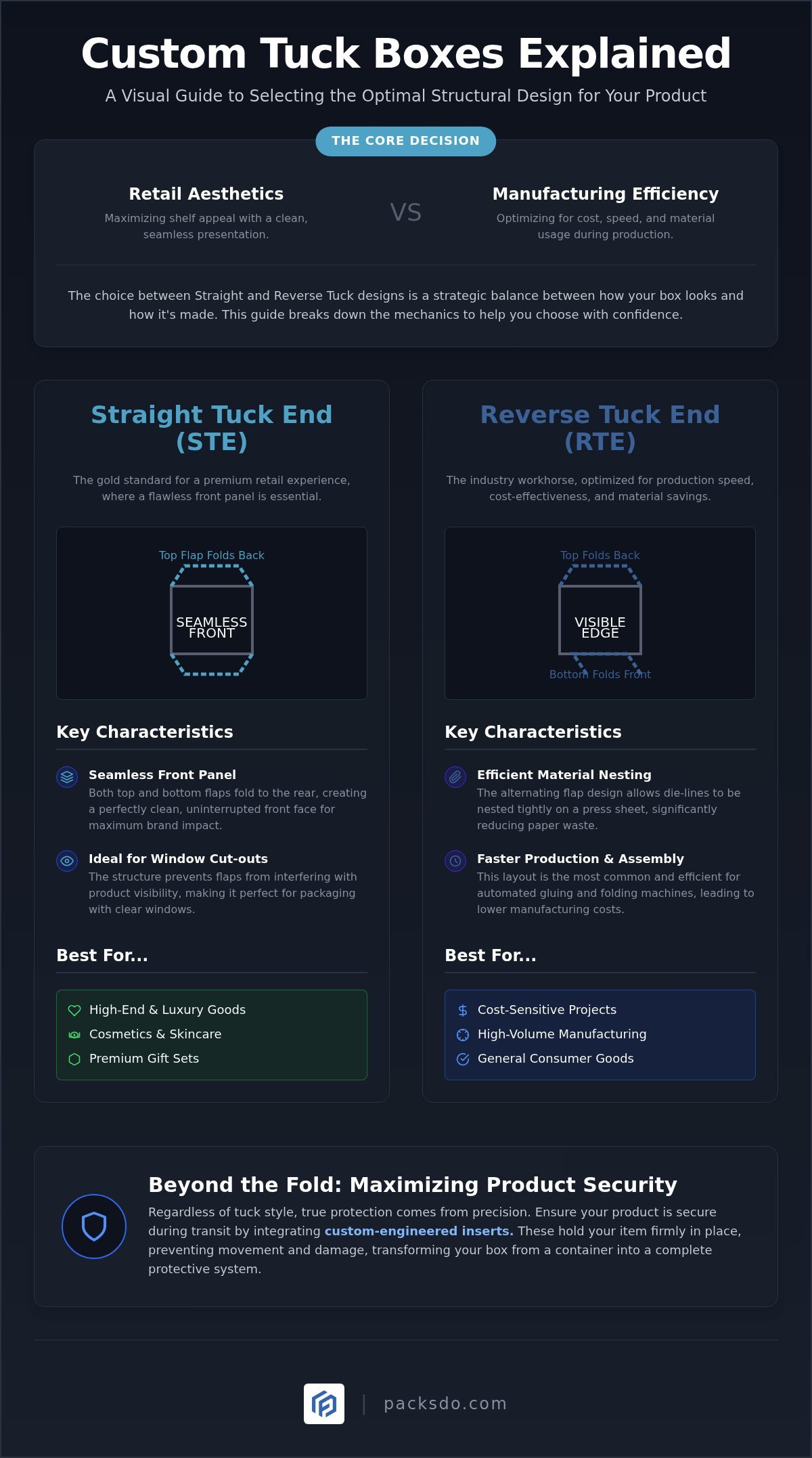
Straight Tuck End (STE) Explained
The Straight Tuck End is the gold standard for high-end retail display. In this configuration, both the top and bottom flaps fold toward the rear of the box. This ensures the front face remains completely seamless, with no visible raw edges or fold lines to distract the customer. It’s the ideal architecture for products featuring large window cut-outs, as the flaps won’t interfere with the internal visibility or the “friction fit” of the product. Use STE for high-end skincare, electronics, and luxury gift sets where a “clean front” is non-negotiable.
Reverse Tuck End (RTE) Advantages
The Reverse Tuck End is the most cost-effective and manufacturing-friendly layout in the industry. The top flap folds toward the back, while the bottom flap folds toward the front. This alternating pattern allows the boxes to “nest” more tightly on a large printing sheet. By reducing the space between units, you minimize material waste and lower your total production costs. RTE is the standard for lightweight retail items like cosmetics, health supplements, and small consumer goods where high-volume efficiency is the priority.
Beyond the fold direction, you must choose a closure mechanism that matches your product’s weight. A “friction-fit” relies on the natural tension of the paperboard to stay closed, offering a sleek, minimalist look. For heavier products or items that might undergo rough handling during shipping, a “slit-lock” adds a small notch that physically hooks the flap into place. This small engineering detail ensures your box stays closed until the customer is ready to open it. To understand how these structural choices fit into a broader packaging strategy, our ultimate guide to folding carton packaging covers everything from carton materials to structural styles for 2026 brands.
Material Science and Premium Finishes: Elevating the Tactile Experience
Transform a standard container into a sensory experience by mastering the science of substrates. While the structural design defines the shape, the material choice determines how your custom tuck boxes feel in a customer’s hand. You aren’t just choosing a box; you’re selecting a canvas that must withstand the rigors of the supply chain while maintaining a high-end retail appearance. Moving from a logistical necessity to brand elevation requires a deep understanding of paperboard grades and the transformative power of professional finishes.
SBS (Solid Bleached Sulfate) is the premier choice for brands that demand high-fidelity color and a smooth, professional surface. Its brilliant white finish allows for intricate printing and vibrant color gradients that pop on a retail shelf. If your brand identity leans toward sustainability and a rustic aesthetic, Natural Kraft offers an unbleached, organic texture that resonates with eco-conscious consumers. Both materials provide a sturdy foundation, but the visual and tactile “hook” they provide will differ significantly based on your target audience. For a deeper look at how to select the right substrate for your specific product, our guide to paperboard cartons for modern retail brands breaks down the key grades, caliper measurements, and 2026 sustainability considerations in detail.
Choosing the Right Paperboard Weight
Precision in packaging starts with selecting the correct “point” (pt) thickness. This measurement represents 1/1000th of an inch, and even a small increase can dramatically change the box’s rigidity. For lightweight items like silk scarves or small electronics, a 16pt board offers sufficient protection without unnecessary bulk. Most retail products find their “goldilocks” zone with 18pt SBS; it provides the ideal balance of flexibility for easy assembly and the strength needed to hold its shape. Heavier items, such as glass cosmetic jars or essential oil sets, require the industrial reliability of 24pt board to prevent sagging or structural failure. Material choice is the foundation of structural integrity.
Protective and Aesthetic Coatings
Protect your investment by applying a functional coating that preserves both the ink and the paper fibers. A gloss coating adds a high-shine brilliance that enhances color depth, while a matte finish provides a sophisticated, non-reflective look that feels modern and understated. For a truly premium experience, soft-touch lamination creates a velvety, suede-like texture that practically begs to be touched. You can also utilize Spot UV to apply a high-gloss layer to specific areas, such as your logo or a pattern, creating a striking contrast against a matte background. If sustainability is your primary focus, an aqueous coating provides a budget-friendly, water-based protective layer that remains fully recyclable.
Specialty finishes like foil stamping and embossing add the final touch of distinction. Foil stamping uses heat and pressure to apply a metallic layer, creating a reflective “pop” that catches the light and suggests luxury. Embossing raises specific design elements, adding a three-dimensional depth that customers can feel as they run their fingers over the box. These details turn a simple unboxing into a memorable brand event.
Maximizing Product Security: Integrating Inserts and Correct Sizing
Achieving a flawless retail presence requires more than just high-end graphics; it demands a perfect physical fit. A box that is even slightly too large allows your product to rattle during transit, which often leads to scuffed finishes or broken seals. Conversely, a box that is too tight can cause the paperboard to bulge or tear. Engineering the ideal dimensions for your custom tuck boxes is your first and best defense against shipping damage. It moves your packaging from a simple sleeve to a protective vault.
Precision measurement is the starting point for every successful production run. Always measure your product’s Length, Width, and Depth at its widest points. If your item has an irregular shape, consider the “bounding box” it would occupy. We also recommend integrating dust flaps into your design. These small, internal flaps fold in before the main tuck flap, creating a barrier that keeps dust and contaminants out of the primary packaging. It’s a subtle engineering detail that reinforces the “premium” feel when the customer finally opens the box.
The Synergy of Tuck Boxes and Custom Inserts
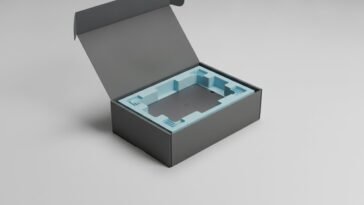
Fragile or multi-component products require an internal support system to remain pristine. Pairing your tuck box with Custom Box Inserts provides a tailored cradle that eliminates movement entirely. Depending on your product’s weight and fragility, you can choose from various materials. Cardstock inserts offer a clean, lightweight solution for cosmetics, while corrugated or foam inserts provide heavy-duty shock absorption for glass or electronics. Inserts also serve a visual purpose; they can “lift” a smaller item to the center of a window cut-out, ensuring it remains the focal point of the display.
Advanced Closure Techniques
Adapt your packaging to your specific sales environment with specialized closure features. If your product is destined for peg-hook retail displays, the “Hanging Tuck” adds a reinforced tab with a pre-cut hole for easy hanging. For products that customers will open and close frequently, thumb notches provide a small, semi-circular cutout that makes the flap easier to grasp. Brands in the pharmaceutical or food-grade sectors should also consider tamper-evident seals. These labels or perforated strips provide immediate visual proof if a package has been opened, instilling a sense of security and trust in the end user.
Ready to secure your product with a professional, precision-cut solution? You can start building your custom tuck boxes with our expert manufacturing team today.
Precision Engineering: Why PacksDo is the Leader in Custom Tuck Packaging
Executing a flawless production run requires more than just high-end machinery; it demands a partner who understands the delicate balance between structural engineering and brand storytelling. PacksDo serves as the steady hand in complex production, ensuring that your custom tuck boxes are manufactured with industrial precision. By working directly with a manufacturer, you eliminate the communication gaps and hidden costs often associated with third-party brokers. This direct relationship guarantees rigorous quality control at every stage, from the initial digital die-line to the final application of your chosen premium finish.
Transitioning from a logistical necessity to a vision of brand elevation is only possible when you have confidence in your supplier’s reliability. We treat every project as a collaborative consultation, offering the technical expertise needed to turn a design concept into a high-conversion retail reality. Whether you’re navigating the requirements of a national retail launch or refining a niche D2C unboxing experience, our team provides the steady guidance necessary to avoid common manufacturing pitfalls. We don’t just print boxes; we engineer the physical touchpoints that define your brand’s reputation in the marketplace.
The PacksDo Manufacturing Advantage
Precision cutting. Vibrant color reproduction. Rapid turnaround. These are the pillars of our manufacturing process. Our facility is specifically optimized for the high-fidelity requirements of the modern B2B landscape. We specialize in solving bespoke challenges that often stall other producers, such as custom-engineered inserts or complex window cut-outs that require exact friction fits. We approach every project with the mindset of a reliable craftsman who values durability and precision, yet we remain bold innovators ready to help you implement the latest aesthetic trends. Our national US coverage ensures that your professional packaging solutions are delivered with speed and consistency, regardless of your location.
Ready to Elevate Your Packaging?
Building a premium retail presence is a journey of intentional, strategic choices. You’ve explored how selecting the right tuck style influences your shelf visibility and how material weight provides the foundation for structural integrity. You’ve seen how tactile finishes and custom-engineered inserts protect your product while surprising and delighting your customers. Now, it’s time to move toward a decision with clarity and ease. Partnering with an expert who understands the emotional impact of design allows you to focus on your product while we handle the complexities of production. Transform your packaging into a powerful tool for customer retention and market distinction today.
Explore Custom Tuck Box Solutions at PacksDo and discover how our precision manufacturing can elevate your brand’s physical identity.
Transform Your Retail Presence Through Precision Design
Master the balance between structural integrity and aesthetic appeal. You now understand how to navigate the technical shift between straight and reverse tuck styles. You know how to select the ideal paperboard weight for your product’s specific needs. You see how premium finishes captivate your audience. These elements work together to turn custom tuck boxes from mere containers into high-conversion retail tools.
Partnering with a specialist ensures your vision isn’t lost in translation. PacksDo provides direct-from-manufacturer quality control and expert guidance on complex structural engineering. You’ll benefit from vibrant, high-fidelity printing that represents your brand’s premium status with every shipment. Our team is here to help you navigate every material choice and finishing detail with confidence.
Design Your Custom Tuck Boxes with PacksDo
It’s time to move beyond logistical basics and embrace a vision of brand elevation. We’re ready to help you craft packaging that truly resonates with your customers.
Frequently Asked Questions
What is the difference between a straight tuck and a reverse tuck box?
Straight tuck boxes feature both top and bottom flaps that fold toward the rear, ensuring a seamless and clean front face for retail displays. Reverse tuck boxes have flaps that fold in opposite directions, which allows for tighter nesting on printing sheets during manufacturing. While the straight tuck offers a more premium look for window cut-outs, the reverse tuck is often more cost-effective due to reduced material waste.
Can custom tuck boxes be used for shipping via USPS or FedEx?
You shouldn’t ship these boxes as standalone containers through carriers like USPS or FedEx. They serve as primary packaging, designed to protect and present your product on a retail shelf or during the unboxing experience. To ensure your product arrives safely, always place your tuck box inside a secondary corrugated mailer or poly mailer. This setup provides the necessary durability to withstand the rigors of the national shipping stream.
What is the standard paperboard thickness for a retail tuck box?
18pt SBS (Solid Bleached Sulfate) is the industry standard for most retail applications because it balances flexibility with structural integrity. It’s thick enough to hold its shape under the weight of most consumer goods while remaining easy for fulfillment teams to assemble quickly. If you’re packaging extremely light items like textiles, a 16pt board might suffice, whereas heavier glass jars often require a sturdier 24pt paperboard to prevent sagging. To fully understand how these grades compare and which paperboard cartons best suit your product category, our dedicated substrate guide covers SBS, CUK, and beyond.
How do I ensure my tuck box doesn’t pop open during transit?
Incorporate slit-locks into your design to physically hook the flaps into place for maximum security. Precision sizing is also vital; a box that fits your product perfectly prevents the internal shifting that often forces flaps open. Adding internal dust flaps creates extra friction and structural support, ensuring your custom tuck boxes remain closed and professional until they reach your customer’s hands.
Do I need a custom insert for my tuck box?
Use a custom insert if your product is fragile, composed of multiple parts, or needs to stay centered behind a window cut-out. Cardstock or foam inserts eliminate internal movement, which is the primary cause of scuffs and damage during handling. Beyond protection, an insert elevates your brand by creating a structured, organized unboxing experience that signals high-end quality and attention to detail.
What are the best finishes for a luxury cosmetic tuck box?
Combine soft-touch lamination with Spot UV to create a sophisticated tactile and visual “hook.” The velvety feel of the soft-touch finish creates an immediate premium perception, while the high-gloss Spot UV adds depth to your logo or specific design elements. Adding metallic foil stamping or embossing further distinguishes your custom tuck boxes, making them stand out as luxury items in a competitive retail environment.
Are custom tuck boxes eco-friendly and recyclable?
Most tuck boxes manufactured from SBS or Natural Kraft paperboard are fully recyclable and biodegradable. To maximize your brand’s sustainability, opt for an aqueous coating, which is a water-based protective layer that doesn’t interfere with the recycling process. Avoid heavy plastic laminations if your goal is a 100% eco-friendly solution, as these can be more difficult for standard recycling facilities to process efficiently.
How do I measure my product for a custom tuck box size?
Measure the Length, Width, and Depth of your product at its absolute widest points using a precise ruler or caliper. We recommend adding a small clearance of about 1/16th of an inch to each dimension so your product slides in and out smoothly without catching on the flaps. If you plan to include a protective insert, remember to measure the product while it’s inside the insert to ensure the outer box dimensions are accurate.