If you sell a premium product, you have probably asked yourself this at least once:
“Do I really need those fancy rigid boxes, or will a well designed folding carton be enough?”
It is a fair question. Rigid boxes look and feel luxurious. They also cost more, take more space, and are not always necessary. Folding cartons are lighter, cheaper, and flexible, but they do not always deliver that “wow” moment.
This guide walks you through the real trade offs so you can decide when luxury packaging is genuinely worth the investment, and when a smart folding carton will do the job just as well.
Quick definitions: rigid boxes vs folding cartons
Before comparing, it helps to be very clear on what each term means.
What is a rigid box?
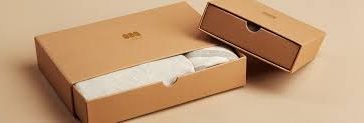
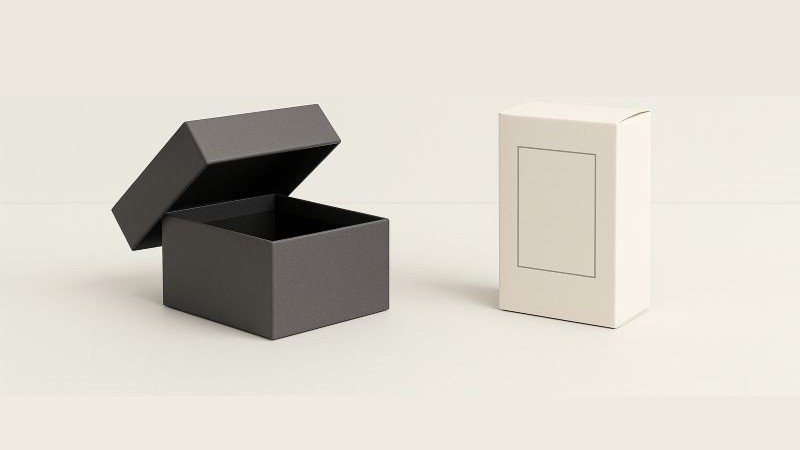
A rigid box (also called a set up box) is a pre assembled box made from thick, dense paperboard. The board is usually 1.5–3 mm thick and is wrapped with printed paper, textured paper, or specialty materials.
Think of:
- iPhone style boxes
- High end perfume or cosmetic boxes
- Luxury shoe or watch boxes
Key traits:
- Solid, non collapsible structure
- Heavy and sturdy in the hand
- Very clean edges and precise corners
- Often paired with inserts, ribbons, magnets, or foam
Rigid boxes are all about perceived value and unboxing experience.
What is a folding carton?
A folding carton is made from thinner paperboard that is printed, die cut, and delivered flat. You or your co packer then fold and glue it into a box.
Think of:
- Cereal boxes
- Cosmetic and skincare cartons
- Pharma boxes
- Everyday retail packaging
Key traits:
- Delivered flat, assembled when needed
- Lightweight and efficient for storage and shipping
- Highly printable with many finishing options
- Great for medium to large production runs
Folding cartons are the workhorse of retail packaging.
The real strengths of rigid boxes
Rigid boxes are not just “nicer boxes.” They change how your product is perceived.
1. Perceived luxury and price anchoring
A rigid box almost automatically signals:
- “This is premium”
- “This should cost more”
- “Handle me with care”
The weight, the way the lid lifts, the sound it makes when closing, and the resistance of the structure all act as subtle pricing cues. Customers expect to pay more, and they are more likely to see your brand as a serious, high value player.
For products that are bought as gifts, photographed for social media, or displayed in boutiques, this perception often matters as much as the product itself.
2. Protection and durability
Because rigid boxes use thicker board, they:
- Resist crushing during transport
- Protect delicate products better than standard cartons
- Survive multiple openings and closings without deforming
If your product is heavy (glass bottles, ceramics, metal tins, electronics) or fragile, rigid boxes can reduce damage and returns, which has real financial value.
3. Unboxing experience and storytelling
Rigid boxes are ideal when you want to design a sequence:
- The lid lifts slowly
- The inside reveals tissue, a card, or a custom insert
- The product is presented almost like a display
You can use different materials, textures, and inserts to create an unboxing that feels like a ritual, not just “opening a box”.
4. Long term reuse
A lot of customers keep rigid boxes:
- For storage on shelves
- For cables, accessories, or jewelry
- As decorative items
Every time that box is used, your branding stays in front of the customer. That extra brand exposure is much harder to achieve with disposable folding cartons.
The real strengths of folding cartons
Folding cartons dominate most markets for a reason. They are efficient.
1. Cost effective for most products
Folding cartons use less material, simpler processes, and ship flat. This usually means:
- Lower cost per unit
- Lower freight cost
- Lower storage cost
If you are in a price sensitive category or selling at high volume, those savings add up very quickly.
2. Space and logistics benefits
Because cartons are supplied flat:
- You can store thousands of units in a small area
- Co packers and factories can handle them with existing lines
- It is easier to scale production and respond to demand
Rigid boxes, on the other hand, take up much more volume once assembled.
3. Design flexibility
Modern folding cartons can still feel premium through:
- Spot UV and soft touch coatings
- Foil stamping and embossing
- Die cut windows or unique structural designs
- Special shapes and closures
For many brands, a “premium folding carton” is the perfect balance between cost and perceived quality.
Rigid boxes vs folding cartons: key differences that matter
Instead of thinking “luxury vs basic,” compare them on the dimensions that affect your business.
1. Brand positioning and perceived value
- Rigid boxes work best when your brand wants to sit firmly in the luxury, prestige, or “giftable” space. Customers often keep the packaging, talk about it, and share it.
- Folding cartons work best when your brand message is practical, accessible, or minimalist, or when the product is one of many everyday purchases.
Ask yourself:
Will the packaging help justify a higher price, or will it feel like unnecessary extravagance to your audience?
2. Product price, margin, and category
Rigid luxury packaging is more likely to pay off when:
- Your product is high margin (fragrances, premium skincare, jewelry, tech accessories, gourmet food, spirits, etc.)
- The retail price already signals “premium”
- Customers buy for gifting, special occasions, or self indulgence
Folding cartons usually make more sense when:
- Your product has tight margins
- It is a repeat, everyday purchase
- Retailers are very sensitive about shelf price and space
3. Protection and weight
- Rigid boxes are better for heavy glass, layered sets, or fragile contents. They often pair with EVA foam, molded pulp, or cardboard inserts.
- Folding cartons handle light to medium weight products well, especially when combined with inner trays, blisters, or corrugated outers.
If you are already having breakage issues, rigid boxes might pay for themselves through reduced damage and returns.
4. Storage, shipping, and handling
- Rigid boxes arrive assembled or semi assembled. You pay in storage and shipping volume.
- Folding cartons arrive flat and only become 3D when you need them.
If warehouse space and freight cost are big concerns, this can heavily influence your choice.
5. Sustainability and perception
Both formats can be sustainable if designed well, but the perception is different.
- Rigid boxes use more material per unit. They feel substantial, which some customers equate with quality and others with waste.
- Folding cartons use less board and can communicate a more minimal or eco conscious message.
If sustainability is a key brand pillar, you might:
- Use rigid boxes only for your most premium lines
- Make sure they are fully recyclable, clearly labelled, and not over engineered
- Use responsibly sourced boards and minimal plastics in both options
6. Minimum order quantities and lead times
- Rigid boxes typically have higher minimum order quantities and longer lead times, because they involve more hand work or specialized machinery.
- Folding cartons are easier to run in a range of quantities and are often faster to produce and re order.
If you are still testing a new product or changing designs often, cartons give you more flexibility.
When luxury packaging is worth it
So when does it make sense to pay the premium for rigid boxes instead of upgrading your folding cartons?
Use this simple test as a starting point. Luxury packaging is usually worth it when most of these are true:
- Your product is giftable by default
Perfumes, high end skincare, jewelry, premium chocolate, watches, spirits, candles, and “treat yourself” products benefit greatly from a box that looks like a present the moment it arrives. - Your margin can comfortably absorb the extra cost
If a rigid box adds, for example, 1–3 dollars to your packaging cost, your margin and final price should still feel healthy. If that extra cost squeezes you too much, you will resent the packaging instead of leveraging it. - You rely on brand perception more than pure function
If your brand story is about craftsmanship, detail, or luxury, a basic box will constantly work against your message. The tactile experience must match the story you tell online and in store. - You care about unboxing as marketing
If you invest in influencer campaigns, social media content, and word of mouth, a beautiful rigid box becomes a silent marketing asset. People are more likely to post and talk about it. - The box can be reused
When your packaging is so nice that customers keep it on shelves, reuse it for storage, or display it, that extra exposure over the product’s lifetime makes the spend easier to justify.
If you only check one or two of these boxes, you may be better off with a strong folding carton that has premium finishes.
When folding cartons are the smarter choice
On the flipside, folding cartons are usually the better fit when:
- You compete mainly on price, convenience, or functional benefits
- Your product is bought frequently and used quickly
- Retailers demand efficient shelf usage and low cost packaging
- You need to test designs, SKUs, or formulations at smaller volumes
- You operate in categories where ultra luxurious packaging might feel out of place or wasteful
In many markets, customers would rather see a fair retail price and simple, recyclable packaging than an over engineered box.
The middle ground: premium folding cartons and hybrid solutions
You do not always have to choose one extreme.
Consider these middle options:
- Premium folding cartons
Use thicker board, soft touch or matte coatings, foil, embossing, and smart structural design to give a luxury feel without going fully rigid. - Rigid for hero products, cartons for the rest
Put your flagship product, gift sets, or limited editions in rigid boxes. Use folding cartons for the core line. - Hybrid systems
Pair a rigid inner with a simplified outer sleeve or a folding carton as a secondary pack. Or use a sturdy folding carton outside with a high quality insert that improves protection and presentation.
This layered approach often gives the best balance between cost, perception, and logistics.
How to decide for your brand: a quick checklist
If you are still undecided, run your product through this checklist and answer honestly:
- What is the realistic retail price and margin of the product?
Can you add the cost of a rigid box without straining your pricing or profitability? - How important is unboxing to your sales strategy?
Are you planning influencer campaigns, social content, or gifting programs where the box will be on camera? - How fragile and heavy is the product?
Do you suffer from breakage or returns that a stronger box could reduce? - How do your closest competitors package similar products?
If the top brands in your space all use rigid boxes, a simple carton may make you look budget. If everyone uses cartons, a rigid box can differentiate you, but only if the price and audience make sense. - What does your target customer value?
Are they likely to appreciate luxurious packaging, or are they more focused on simplicity and sustainability?
If luxury packaging strongly supports your brand story, improves customer experience, and fits your margins, rigid boxes are worth it. If not, a well designed folding carton is often the smartest, most scalable choice.
Final thoughts
“Rigid boxes vs folding cartons” is not really a beauty contest. It is a strategic choice.
Rigid boxes shine when you sell high margin, giftable products where unboxing and perception drive sales. Folding cartons shine when efficiency, flexibility, and practicality matter more.
Your job is to match the packaging format to:
- Your brand position
- Your target customer
- Your margins and logistics
- The role packaging plays in your marketing
Do that well, and both rigid boxes and folding cartons can look like luxury in the right context, because they are doing exactly what they were meant to do.