What if the difference between a luxury unboxing and a logistical nightmare came down to a single “point” of paper thickness? For many retail leaders, choosing the right paperboard cartons feels like a high-stakes guessing game played with technical jargon like SBS, CUK, and caliper measurements. You want your product to arrive in pristine condition, yet you’re constantly balancing that premium aesthetic against the rising pressure of cost-effectiveness and new 2026 sustainability mandates like the EU’s Packaging and Packaging Waste Regulation.
It’s understandable to feel overwhelmed by the technicalities of production while trying to maintain a bold brand identity. We’re here to bridge that gap. This guide provides the clarity you need to master the technical specifications, branding advantages, and selection criteria for paperboard cartons to elevate your product packaging in 2026. We’ll explore how to select the perfect grade for your specific needs, decode the manufacturing process, and design an unboxing experience that turns first-time buyers into loyal brand advocates.
Key Takeaways
- Master the “Point” system to select the precise thickness needed for your product’s weight, ensuring structural integrity for everything from light cosmetics to heavy candles.
- Navigate the strategic differences between paperboard cartons, corrugated, and rigid materials to optimize your strength-to-weight ratio and per-unit costs.
- Unlock high-impact branding potential by choosing between offset and digital printing paired with tactile finishes like soft-touch lamination or debossing.
- Discover how to align your packaging with 2026 sustainability regulations while maintaining a premium retail presence through smart material selection.
- Learn the advantages of a direct-to-manufacturer relationship to simplify the production of custom folding cartons and protective box inserts.
What Are Paperboard Cartons? Defining the Standard for Retail Packaging
Understanding the building blocks of your brand starts with the material in your hands. Paperboard is a heavy duty, wood pulp based paper material specifically engineered for high stiffness and superior foldability. While standard office paper is thin and flexible, paperboard typically exceeds a grammage of 250 g/m², making it the industrial standard for structural integrity in retail. This thickness, often referred to as caliper, allows the material to be scored and folded into complex shapes without cracking or losing its form.
Business owners often use the term “cardboard” as a catch-all, but this lacks the precision needed for professional manufacturing. In expert circles, What Are Paperboard Cartons? refers to a single or multi-ply solid board. Cardboard usually implies corrugated material, which is a different category designed for bulk transit. Modern ISO standards focus on thickness and density rather than raw weight alone. This ensures that the material remains lightweight yet rigid enough to protect delicate items like serums, cosmetics, or artisanal soaps.
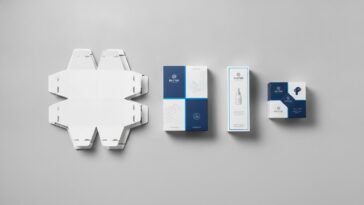
The most common application for this material is the folding carton. These are the sleek, printed boxes you see on boutique shelves. They arrive at your facility flat, ready to be popped into shape and filled with product. It’s the primary packaging choice for brands that prioritize shelf-ready aesthetics and high-volume efficiency.
Paperboard vs. Corrugated Fiberboard: Key Differences
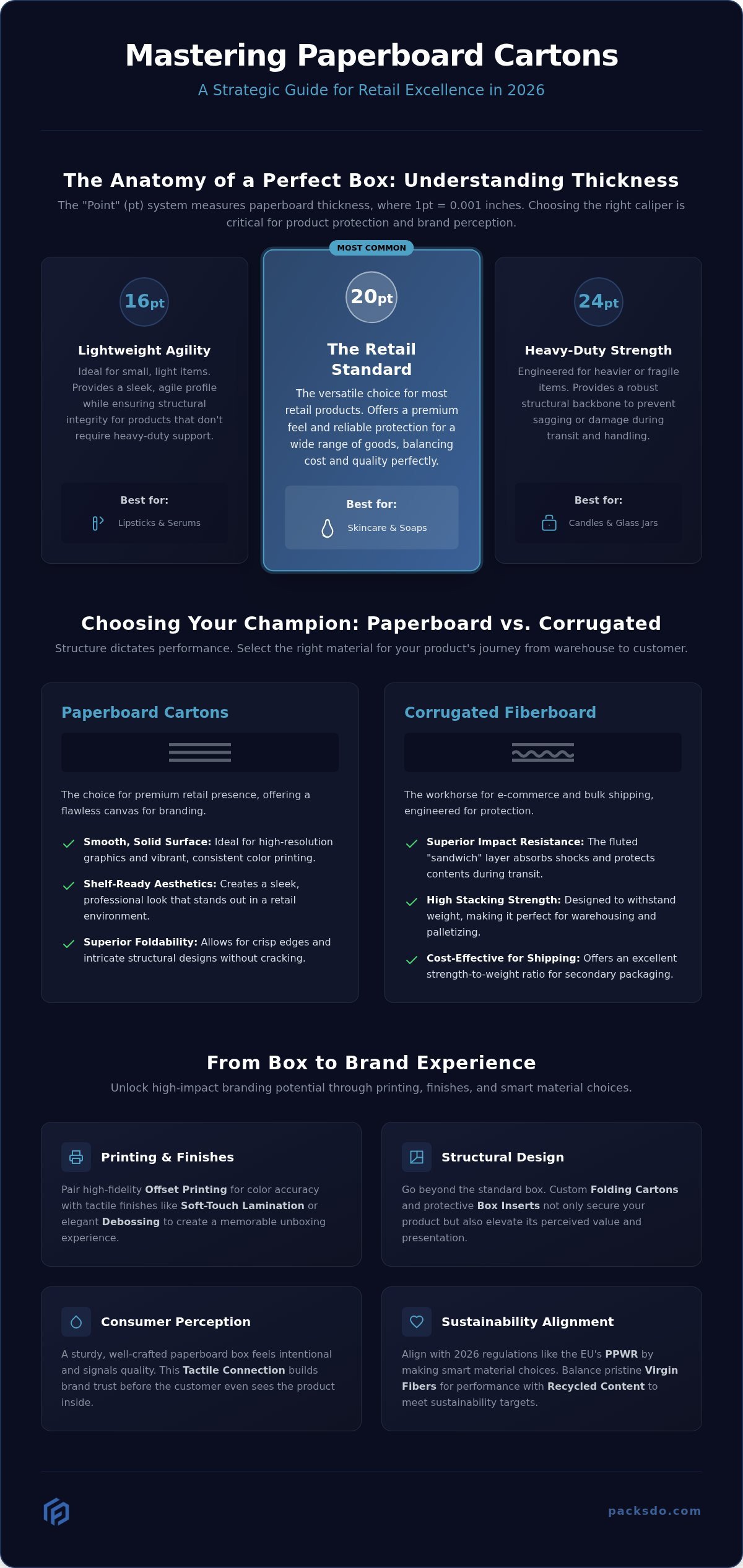
Structure dictates performance. Paperboard consists of solid layers, providing a smooth, uniform surface that’s ideal for high-resolution offset printing. Corrugated fiberboard uses a fluted “sandwich” layer between two liners. While corrugated board offers superior impact resistance for secondary shipping, it lacks the refined look of retail-ready boxes. If your goal is a premium shelf presence, paperboard cartons are the clear winner. They allow for crisp graphics, vibrant colors, and intricate finishes that corrugated materials simply cannot match.
The Role of Paperboard in the Modern Supply Chain
Efficiency drives growth. Paperboard cartons offer a remarkable strength-to-weight ratio, helping you reduce shipping costs without sacrificing product safety. These cartons arrive flat from the manufacturer. This maximizes your warehouse space and simplifies inventory management; for businesses requiring robust onsite inventory protection, Yodoko Sheds offers premium Japanese-engineered storage solutions. Beyond logistics, consumer perception plays a vital role. A sturdy paperboard box feels intentional. It signals quality. When a customer picks up a well-crafted box, they feel the difference between a generic container and a premium brand experience. This tactile connection builds trust before they even see the product inside.
The Anatomy of Paperboard: Understanding Grades and Thickness
Precision is the foundation of quality packaging. When you move from a concept to a physical product, the technical specifications of your paperboard cartons determine how your brand is perceived on the shelf. In the manufacturing world, we measure thickness using the “Point” (pt) system. One point equals exactly 0.001 inches. While this might seem like a microscopic distinction, it’s the difference between a box that feels flimsy and one that feels like a premium investment.
Selecting the right thickness requires a balance of product weight and desired rigidity. For lightweight items like lipsticks or small serums, a 16pt board offers a sleek, agile profile. Standard retail products, such as artisanal soaps or skincare kits, typically thrive with an 18pt to 20pt board. If you’re packaging heavy glass jars or large candles, a 24pt board provides the structural backbone necessary to prevent sagging or bursting during transport. This measurement isn’t just about bulk; it’s about engineering a secure environment for your goods.
Strength also comes from the internal architecture of the material. Paperboard isn’t a single thick sheet of paper. It’s a multi-ply structure where several layers of pulp are bonded together under high pressure. This layering process allows manufacturers to mix fiber types for specific outcomes. Virgin fibers offer maximum tear resistance and a pristine printing surface, while recycled fibers help brands meet aggressive sustainability targets. For a deeper dive into technical specifications, the American Forest & Paper Association provides an excellent framework for understanding grades and thickness across the industry.
Common Paperboard Grades for Custom Cartons
Every retail category has a preferred grade that balances aesthetics with utility. Solid Bleached Sulfate (SBS) is the gold standard for luxury. It’s white throughout, offering a clean look that’s perfect for high-end cosmetics and food. Coated Unbleached Kraft (CUK) is the powerhouse of the group. With its natural brown interior and high strength, it’s the go-to for heavier items like hardware or beverage carriers. If you’re running high-volume retail campaigns where cost-effectiveness is king, Clay Coated News Back (CCNB) uses recycled content to provide a reliable, budget-friendly surface for your graphics.
Choosing the Right Caliper for Your Brand
Caliper is the measurement of thickness that determines a carton’s rigid feel and overall presence. Beyond the numbers, you must consider how the material handles stress. Products with sharp edges or heavy glass components require high tear resistance and stiffness to maintain their shape under pressure. Aligning your chosen grade with your custom product boxes strategy ensures that your packaging doesn’t just look good; it performs. If you’re unsure which caliper suits your specific weight requirements, partnering with a direct manufacturer can provide the technical clarity needed to avoid costly over-engineering or disappointing structural failures.
Paperboard vs. Corrugated vs. Rigid: A Strategic Selection Framework
Choosing the right material is a financial decision as much as a creative one. The strength-to-weight ratio serves as your primary metric for efficiency. Paperboard cartons offer the highest performance for retail shelves because they provide essential structural protection without the heavy bulk of shipping containers. While corrugated board relies on a fluted medium for impact resistance and rigid boxes use high-density chipboard for a weighted luxury feel, paperboard strikes a balance that facilitates vibrant branding and lower shipping costs. This efficiency is critical as businesses look toward 2026 shipping trends where lightweighting becomes a major factor in maintaining healthy margins.
Cost-per-unit dynamics also shift dramatically between these materials. For high-volume production runs, paperboard is significantly more economical than rigid alternatives. It allows brands to scale quickly while maintaining a professional look. According to the Paperboard Packaging Council, this material remains one of the most widely recycled options in the consumer stream. It’s simple for customers to flatten and place in curbside bins. This ease of disposal enhances your brand’s reputation for sustainability, meeting the growing consumer demand for packaging that doesn’t end up in a landfill.
The unboxing experience also varies by material choice. Paperboard provides a sleek, modern feel that’s perfect for a “quick-reveal” in retail environments. Rigid boxes offer a slow-opening, high-friction experience often reserved for premium gift sets. If you’re looking for a versatile solution that bridges the gap between these two, paperboard cartons paired with custom inserts provide a sophisticated, secure presentation at a fraction of the cost of rigid setups.
When to Choose Paperboard Folding Cartons
If your product is lightweight, such as skincare, soaps, or small electronics, folding cartons are the industry standard. They are engineered for high-speed automated packaging lines, which reduces labor costs during the fulfillment process. These cartons are also the best canvas for brands requiring vibrant, full-color custom tuck boxes that must stand out on a crowded retail shelf. The smooth surface allows for intricate printing details that simply aren’t possible on the rougher texture of corrugated board.
When to Upgrade to Corrugated or Rigid Boxes
Corrugated material is essential when your product is heavy or if you intend to ship direct-to-consumer without an outer mailer. It provides the necessary cushioning to survive the rigors of the postal system. On the other hand, rigid boxes are reserved for ultra-luxury items where the box serves as a keepsake, such as high-end jewelry or limited-edition perfumes. Many high-growth brands now utilize hybrid solutions. They place sleek paperboard cartons inside sturdy corrugated mailers to create a “double-reveal” unboxing experience that drives social media engagement and repeat sales. This strategy protects the primary packaging while delivering a premium moment for the customer. For a comprehensive look at how to optimize this approach, our folding carton packaging guide covers the full spectrum of structural styles and material choices for 2026.
Maximizing Brand Impact Through Customization and Design
Design is where your strategy meets the customer’s senses. Paperboard cartons offer an unrivaled canvas for both high-volume offset printing and agile digital solutions. Offset printing provides the sharpest detail and color consistency for large retail rollouts. Digital printing allows for rapid prototyping and seasonal variations without the cost of printing plates. To keep these designs pristine, we apply coatings like Aqueous or UV varnish. These layers act as a shield, preventing ink scuffing during transit and ensuring your brand looks flawless on arrival.
Tactile finishes elevate the unboxing experience from ordinary to unforgettable. Soft-touch lamination creates a velvet-like texture that invites touch. Embossing and debossing add three-dimensional depth, highlighting logos or key brand elements. Structural design plays an equally vital role. Unique folds and opening mechanisms create a sense of theater, turning a simple box into a memorable brand interaction. By moving beyond the standard cube, you signal to your customer that every detail of their experience has been carefully considered.
Sustainable Finishes for 2026
Aligning your aesthetic with environmental goals is easier than ever. Modern soy-based and vegetable-based inks provide deep, vibrant colors while significantly reducing volatile organic compounds (VOCs). For brands seeking a high-gloss look without the plastic guilt, biodegradable laminates offer a sustainable alternative to traditional films. Even decorative elements like cold foils have evolved. Modern cold foil applications are now compatible with standard recycling streams, allowing you to add metallic brilliance to your paperboard cartons without compromising the recyclability of the material.
Designing for Functionality and Safety
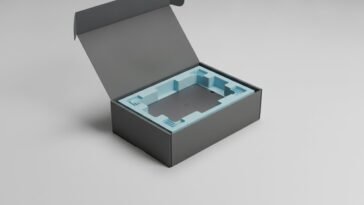
Beauty must serve a purpose. Incorporating die-cut windows allows customers to see the physical product, which builds immediate trust. However, if your product is light-sensitive, high-resolution photography on the carton exterior is a safer, equally compelling choice. Protection is non-negotiable. Integrating custom box inserts ensures that delicate items like glass bottles or intricate electronics stay centered and secure. For consumer confidence, consider security features like tamper-evident seals or integrated tear-strips. These details prove you value the customer’s safety as much as the product’s presentation.
Ready to bring your vision to life? Customize your retail packaging with PacksDo to combine elite design with industrial reliability.
Elevating Your Retail Strategy with PacksDo Paperboard Solutions
Success in modern retail isn’t just about having a great product; it’s about how that product arrives in the customer’s hands. Choosing the right paperboard cartons is a strategic move that requires a manufacturer capable of executing complex designs with industrial precision. At PacksDo, we position ourselves as your direct manufacturing partner, offering US-based brands the technical authority and creative flexibility needed to dominate the shelf. By removing the middleman, we provide a streamlined path from initial concept to final production, ensuring your vision isn’t lost in translation.
Versatility is the hallmark of our production capabilities. We specialize in tailoring solutions for high-growth industries, from elegant custom serum boxes that protect delicate glass to robust custom candle boxes designed to handle significant weight. Our expertise extends to folding carton packaging for custom soap boxes and bath bomb packaging, or even pet wellness products where moisture resistance and vibrant branding are paramount; for a great example of science-backed dog supplements, check out Paws & Whiskers. We encourage a holistic approach to packaging. Don’t stop at the box. Combine your paperboard cartons with matching packaging sleeves and custom tags to create a unified, multi-layered brand identity that feels curated and professional.
The PacksDo advantage lies in our commitment to precision manufacturing and high-quality material sourcing. We don’t just print boxes; we engineer retail experiences. By managing the entire process in-house, we maintain strict quality control over every fold, score, and finish. This level of oversight is essential for brands that value consistency across thousands of units.
Scaling from Small Batch to Wholesale
Growth requires a partner that can move at your speed. We support brands as they transition from startup prototypes to national retail presence, providing the scalability needed for wholesale success. Managing lead times becomes a competitive advantage when you work with a US-based partner. You’ll avoid the logistical headaches of international shipping and benefit from faster turnaround times on inventory refills. This local presence allows for tighter quality control and a more collaborative relationship as your packaging needs evolve.
Getting Started with Your Custom Carton Project
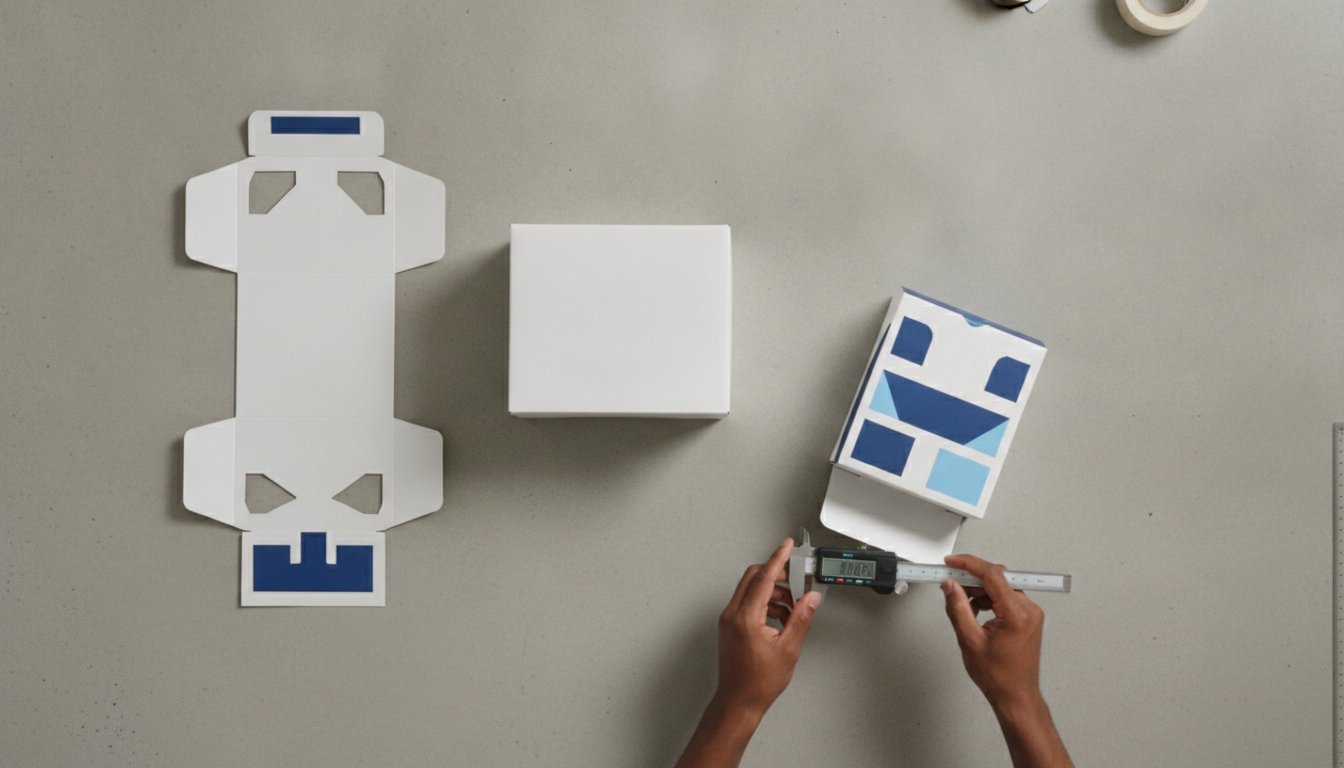
Precision starts with the dieline. Accurate structural design is the foundation of a successful project, ensuring your product fits perfectly and the carton functions exactly as intended. Before committing to a full production run, we recommend requesting physical samples. This allows you to test material thickness, verify the “point” caliper we discussed earlier, and feel the tactile quality of your chosen finishes in person. Prototyping is the ultimate safeguard against design errors and ensures your final unboxing experience is nothing short of elite.
Ready to transform your retail presence? Explore our custom folding carton options today and start building a packaging strategy that drives repeat sales.
Master Your Brand’s Retail Future
Mastering your retail presence starts with a deep understanding of the technical and aesthetic possibilities of your packaging. You’ve seen how the precision of the caliper system ensures product safety and how strategic material choices like SBS or Kraft board balance premium aesthetics with cost-effectiveness. By integrating sustainable inks and tactile finishes, you can transform paperboard cartons from simple containers into powerful brand ambassadors. Every fold and finish is an opportunity to build trust and drive repeat sales.
Elevating your strategy requires a partner who understands the nuances of custom folding cartons for cosmetics and high-growth retail. PacksDo provides the high-quality material grades and expert structural design support you need to scale with confidence. Whether you’re launching a new serum or expanding a national candle line, we’re here to ensure your packaging performs under pressure.
Design Your Custom Paperboard Cartons with PacksDo
Your vision deserves a physical form that’s as bold and innovative as the product inside. Let’s build something exceptional together.
Frequently Asked Questions
What is the difference between paperboard and chipboard?
Paperboard is a high-grade material engineered for structural integrity and premium printing, while chipboard is a coarser, recycled product often used for non-display applications. Retailers prefer paperboard for its smooth surface, which handles luxury finishes and complex folds with ease. Chipboard, frequently referred to as CCNB in its clay-coated form, is typically chosen for its cost-effectiveness in secondary packaging or backing where aesthetic perfection is less critical.
Can paperboard cartons be used for shipping through USPS or UPS?
Paperboard cartons are designed as primary retail packaging and generally require an outer corrugated box or poly mailer for shipping through USPS or UPS. Their structural design is optimized for shelf presence and internal product protection rather than the high-impact environment of the global postal system. Using these cartons as standalone shipping containers often leads to crushed corners or compromised products during the transit process.
How do I determine the right ‘point’ thickness for my product box?
Selecting the right thickness depends primarily on your product’s weight and the desired level of rigidity for the unboxing experience. Lightweight items like lipsticks or small serums thrive in a 16pt board, while heavier glass jars and large candles typically require a 24pt board to prevent sagging. Testing physical samples allows you to verify that the caliper provides the necessary structural support for your specific retail goods.
Are paperboard cartons considered sustainable packaging?
Paperboard cartons are among the most sustainable packaging options because they are biodegradable and highly recyclable in standard curbside programs. Most modern boards incorporate a high percentage of post-consumer waste, and their lightweight nature helps reduce carbon emissions during transport. Choosing this material signals a commitment to circular economy principles that resonate with eco-conscious consumers facing new 2026 sustainability regulations.
What are the most common finishes for custom retail cartons?
Retailers frequently utilize soft-touch lamination, spot UV, and foil stamping to create a premium tactile experience on the shelf. These finishes add visual distinction and protect the underlying ink from scuffing during consumer handling. Embossing and debossing are also popular choices for adding three-dimensional texture to logos, which effectively enhances the brand’s perceived value without adding significant bulk to the package.
Can I use paperboard for food-contact packaging?
You can use paperboard for food-contact packaging provided the material is specifically rated as food-grade, such as Solid Bleached Sulfate (SBS). These boards are manufactured without harmful chemicals, making them safe for direct contact with dry or greasy foods. Always verify that your manufacturer uses FDA-compliant materials and food-safe inks to ensure both consumer safety and total regulatory compliance.
How do folding cartons arrive when ordered in bulk?
Folding cartons arrive flat and pre-glued to maximize your warehouse space and significantly reduce shipping costs. This flat-pack format allows for efficient stacking on pallets, making it easy for your fulfillment team to pop them into shape as needed. Because they ship flat, you can store thousands of units in a small fraction of the space required for rigid or pre-assembled boxes.
What is the minimum order quantity for custom printed paperboard boxes?
Minimum order quantities vary based on the complexity of your design and the printing method used, but many direct-to-manufacturer partners offer flexible options for growing brands. High-volume offset runs provide the best per-unit value, yet digital printing often allows for smaller batches to support seasonal launches or limited editions. Contacting a specialist directly is the best way to determine the most cost-effective entry point for your specific project.