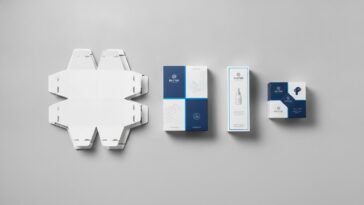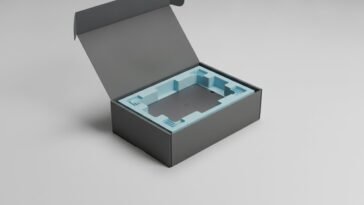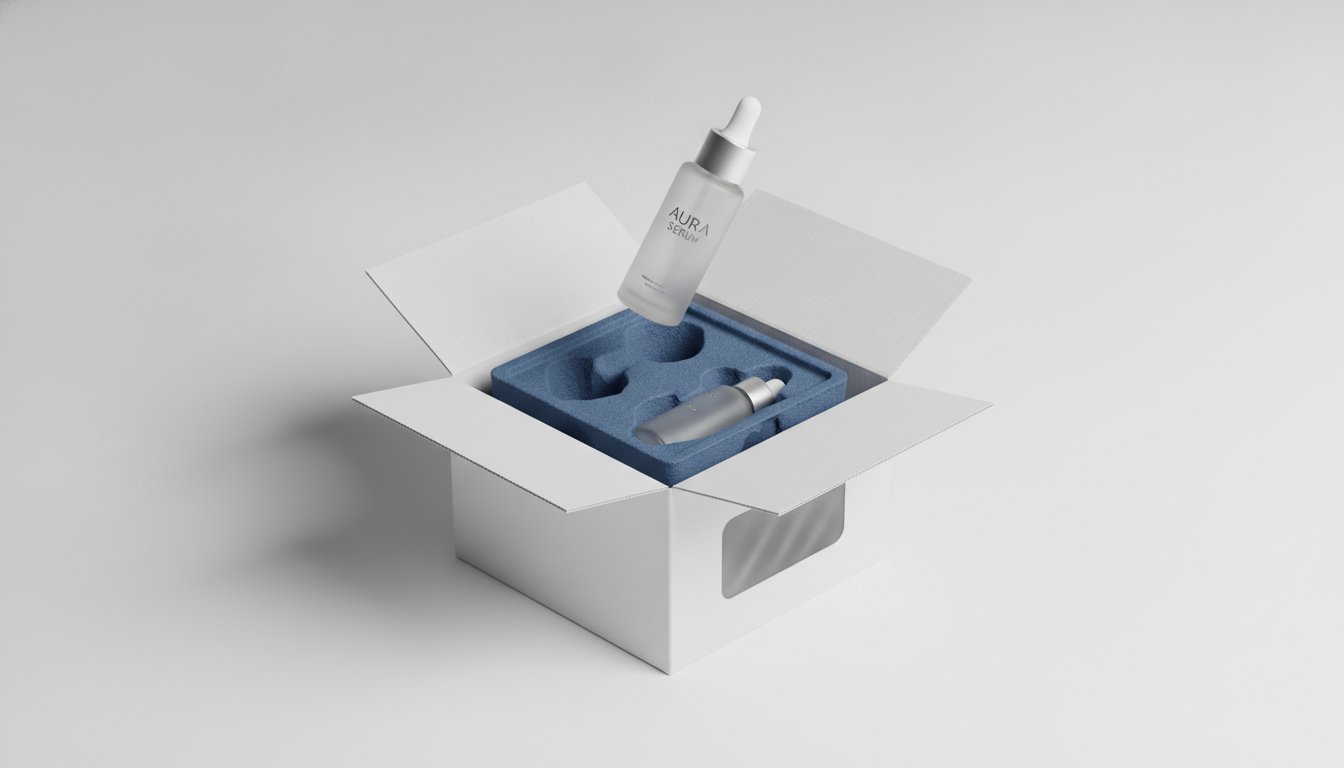
A shipping box is a mere container, but a precision-engineered insert is the silent brand ambassador that never misses a pitch. If your customer opens their order only to find shifted products, shattered glass, or a messy unboxing experience, that hard-earned “wow” moment evaporates instantly. You shouldn’t have to choose between industrial-grade protection and a premium retail feel. It’s often frustrating to navigate the technical jargon of SBS, corrugated, and foam while trying to keep your unit costs under control and your shipping weights low.
We understand that you want your custom packaging inserts to be as precise as they are beautiful. This 2026 buyer’s checklist is designed to help you master both the technical requirements and the aesthetic nuances of modern packaging. You’ll learn how to eliminate shipping damage once and for all, select the perfect materials for your specific retail goods, and create a scalable unboxing experience that turns first-time buyers into lifelong advocates. From material durability to finishing touches, we’re covering everything you need to build a professional, secure, and memorable brand presence.
Key Takeaways
- Learn how to transform standard shipping into a premium unboxing event by balancing structural security with compelling brand storytelling.
- Master the material selection process for custom packaging inserts to ensure maximum protection for both lightweight retail goods and fragile components.
- Discover engineering secrets for the “snug fit” test, ensuring your products remain secure in transit yet easy for customers to remove.
- Unlock the potential of hidden branding real estate to create a cohesive visual narrative that aligns perfectly with your custom product boxes.
- Gain a competitive edge by sourcing directly from a manufacturer to streamline your supply chain and maintain consistent quality during seasonal peaks.
The Strategic Role of Custom Packaging Inserts in 2026
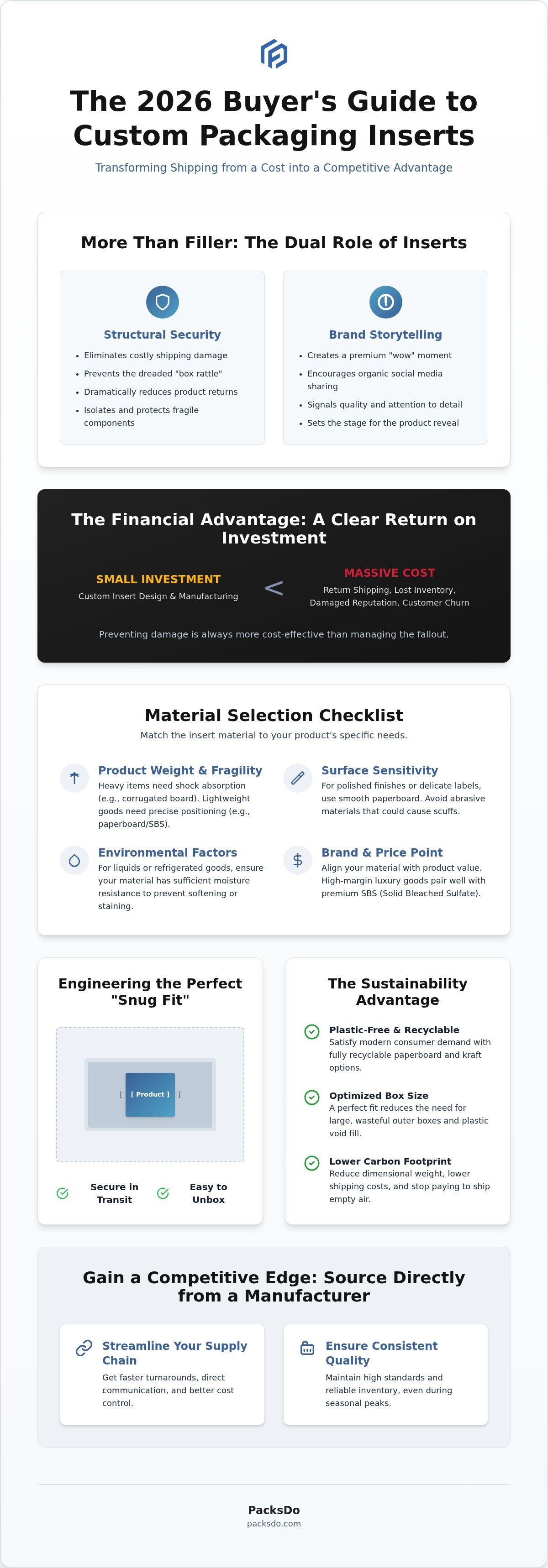
A package is more than a delivery; it’s a handshake. In the competitive retail environment of 2026, custom packaging inserts have evolved from simple protective fillers into sophisticated tools for brand storytelling. These engineered components serve a dual purpose. They provide the structural security necessary to ensure a product arrives in pristine condition, and they act as a high-impact canvas for marketing messages. When a customer opens a box, the insert is often the first thing they see. It sets the stage for the product itself, signaling quality before the item is even touched.
The “First Impression” metric is no longer a vanity goal. It’s a critical driver of customer retention and organic social sharing. A disorganized or “cheap” unboxing experience characterized by loose items and plastic waste can damage a brand’s reputation instantly. Conversely, a curated, secure presentation encourages customers to document their experience on social media, providing free marketing and building community trust. By moving beyond generic bubble wrap and toward custom-fit paperboard solutions, brands demonstrate a commitment to precision and professional polish.
Investing in quality inserts also provides a clear financial advantage through cost-benefit optimization. While there is an upfront cost to manufacturing custom fits, the reduction in return rates due to shipping damage justifies the spend. Replacing a damaged product costs significantly more than preventing the damage in the first place. When you account for the shipping fees, lost inventory, and the potential loss of a lifetime customer, the value of a secure insert becomes undeniable.
Protection vs. Presentation: Finding the Balance
Successful packaging requires you to identify your primary goal. Is the insert meant to provide heavy-duty cushioning for a fragile item, or is it a stage designed to showcase a luxury product? Often, it must do both. Custom packaging inserts eliminate the dreaded “box rattle,” which occurs when products shift during transit. This movement not only increases the risk of breakage but also lowers the perceived value of the brand. For high-fragility items like glass serum bottles, a die-cut insert ensures that each unit remains isolated and immobile, preventing the clinking and impact that leads to shattered glass and leaked liquids.
The Sustainability Factor in Modern Inserts
Modern consumers in 2026 prioritize plastic-free, recyclable materials. The shift toward paperboard inserts satisfies this demand while offering a sophisticated aesthetic. You can choose between the natural, eco-conscious appeal of kraft board or the clean, modern look of bleached white board to align with your brand identity. Beyond material choice, custom inserts help reduce your overall carbon footprint. By creating a tight, engineered fit, you can often utilize smaller outer shipping boxes. This reduces dimensional weight, lowers shipping costs, and ensures you aren’t paying to ship empty air.
Material Selection Checklist: Matching Inserts to Product Fragility
Choosing the right material for your custom packaging inserts isn’t just about safety. It’s about engineering a specific tactile experience. Before you commit to a design, you must evaluate the physical demands of your product. A lightweight cosmetic tube requires a different structural approach than a heavy industrial component. Heavier items exert more force during transit. This means your insert must act as a shock absorber rather than just a decorative frame. If the material is too thin, it will buckle under the weight, leading to a collapsed unboxing experience and potential product damage.
Surface sensitivity is your next priority. If your product has a polished finish or a delicate label, you might require the soft cushioning of specialized foam. However, for most retail goods, precision-engineered paperboard provides excellent positioning without the bulk. You should also consider environmental factors. If you’re shipping refrigerated goods or oil-based cosmetics, verify that your material offers sufficient moisture resistance. This prevents the insert from softening or staining if a leak occurs or condensation forms. Aligning your material choice with your product’s retail price point ensures your packaging feels appropriate. High-margin luxury goods deserve the crisp, premium feel of SBS, while budget-friendly items might benefit from the cost-efficiency of standard kraft.
Paperboard and SBS Inserts for Retail
Solid Bleached Sulfate (SBS) is the premier choice for lightweight retail goods. It’s particularly effective for high-end electronics and custom lipstick boxes where visual impact is paramount. SBS offers a smooth, white surface that supports vibrant, high-resolution printing. This allows you to maintain brand consistency across all packaging components. You can also use folding carton inserts to create complex kits. These designs allow you to house multiple products in a single box, keeping each item separate and secure while presenting them as a cohesive set.
Corrugated Inserts for E-commerce Shipping
When your items have significant weight or fragility, corrugated material is the gold standard for custom packaging inserts. It provides the structural crush protection needed for custom candle boxes and glass jars. The strength of corrugated comes from its flute size. Smaller flutes offer a sleeker profile for retail, while larger flutes provide superior cushioning for long-distance shipping. Corrugated is also an excellent choice for brands prioritizing sustainability. It’s widely recyclable and provides immense durability without the need for plastic fillers. If you’re unsure which material fits your specs, consult with a direct manufacturer to find the perfect balance of strength and style.
Structural Engineering: Designing for Security and Presentation
Precision engineering transforms a simple box into a fortress of brand value. While your material choice provides the foundation, the structural design of your custom packaging inserts dictates how your product survives the journey. You must move beyond basic measurements to master the “Snug Fit” Test. A perfect die-cut insert accounts for tolerances as small as a millimetre, ensuring your product remains immobile during transit. If the fit is too loose, your product becomes a projectile within the box. If it’s too tight, you risk damaging the primary packaging or frustrating the customer during unboxing.
Accessibility is the hallmark of thoughtful design. A secure fit should never be a barrier to entry. We recommend integrating finger notches or pull tabs into your insert architecture. These small, semi-circular cutouts allow customers to lift the product out effortlessly without prying at the edges or damaging the insert. This attention to detail signals a premium brand experience. For kits containing multiple items, multi-depth inserts are essential. These allow you to house products of varying heights within a single secondary package, creating a level, uniform presentation that looks organized and professional the moment the lid is lifted.
Engineering for the reality of national shipping carriers requires rigorous validation. The “Drop Test” standard is your benchmark for success. A well-designed insert should protect the product from impact even if the outer carton is dropped from a height of three feet onto a hard surface. This isn’t just about avoiding breakage; it’s about maintaining the “retail-ready” appearance of your goods. By simulating these real-world stresses during the design phase, you ensure that your investment in packaging pays dividends in reduced return rates and higher customer satisfaction. For a deeper dive into how packaging inserts can eliminate shipping damage while elevating your brand aesthetic, our comprehensive guide walks you through every engineering consideration.
Die-Cut Precision for Irregular Shapes
Complex geometries require a more sophisticated approach than standard rectangular dividers. When designing custom bathbomb boxes, for example, a contoured insert is necessary to cradle the spherical shape securely. We utilize CAD prototypes to visualize these complex fits before mass production begins. Unlike simple dividers that merely separate items, contoured inserts provide 360-degree support, preventing fragile edges from chipping or crumbling during the vibration of long-distance transport.
Optimizing for Assembly Speed
Scale your operations by choosing an insert structure that aligns with your fulfillment workflow. You must balance storage space with labor costs when deciding between pre-folded and flat-ship inserts. Flat-ship options save significant warehouse space but require more time to assemble. To bridge this gap, we design auto-locking features that snap into place without the need for tape or glue. These features are critical for high-volume fulfillment centers where every second saved in assembly translates directly into increased profitability and faster shipping times.
The Unboxing Experience: Leveraging Inserts for Brand Distinction
Security is the baseline, but distinction is the goal. Once you’ve secured your product, your custom packaging inserts should pivot to perform as a marketing powerhouse. Every surface of an insert is a strategic opportunity to deepen the customer connection. Don’t overlook the “hidden” real estate, such as the underside of a fold or the floor of the product cavity. These areas are perfect for printing unexpected brand messages, social media handles, or a simple “Thank You” that surprises the customer during the final stages of unboxing. This layer of detail transforms a standard delivery into a curated brand event; for instance, a premium business like Rolling Oak Doodles can use these touches to ensure that every aspect of their client experience feels intentional and high-quality.
Visual cohesion is non-negotiable for professional brands. It’s vital to ensure your insert color palette aligns perfectly with your custom product boxes. A mismatch in white points or ink saturation can make the packaging feel disjointed or assembled from spare parts. To further elevate the experience, consider integrating instructional guides directly onto the insert surface. This eliminates the need for extra paper inserts, reducing waste while ensuring the “how-to” information is the first thing a customer sees when they reach for the product. It’s a clean, efficient way to manage the user experience without cluttering the box.
Tactile finishes add a sensory dimension that digital marketing can’t replicate. Applying a soft-touch lamination or a targeted spot UV finish to your custom packaging inserts creates a premium physical interaction. These finishes don’t just look better; they feel more substantial. When a customer runs their thumb over a velvety surface or a raised gloss logo, their brain registers a higher level of craftsmanship. It’s a subtle cue that justifies a higher price point and builds immediate trust in the product’s quality. To start building your own high-impact unboxing experience, explore our custom insert options today.
Storytelling Through Packaging Layers
Control the “reveal” sequence to build anticipation. A well-designed insert acts as a director, choosing exactly what the customer sees and in what order. You can use the insert structure to hold promotional items like custom hang tags or branded stickers in a dedicated slot, ensuring they don’t get lost in the bottom of the box. By creating a vibrant internal environment with bold colors or intricate patterns, you encourage customers to film unboxing videos. This organic content is highly effective for social proof and expands your brand’s reach without additional ad spend.
Premium Finishes for Luxury Goods
Luxury retail demands more than just a snug fit. For high-end items, incorporating metallic foils or deep embossing can elevate custom serum boxes to a premium tier that competes with global heritage brands. These finishes signal that the contents are precious and worthy of protection. Perceived value is the consumer’s subjective assessment of a product’s worth based on the quality of its presentation, directly influencing their willingness to accept premium retail price points. A rigid, perfectly printed insert provides the structural “heft” that customers associate with luxury and industrial reliability.
Scaling Your Production with a Direct Packaging Manufacturer
Direct sourcing is the most effective way to protect your margins while maintaining peak quality. While middle-man brokers can offer a wide range of services, they often lack the technical depth and real-time oversight of a factory floor. Working directly with a manufacturer like PacksDo eliminates the communication lag and markup fees associated with third-party agencies. You gain a direct line to the craftsmen and engineers who are physically producing your custom packaging inserts, ensuring that every design nuance is captured perfectly. This transparency is vital for managing tight lead times during high-stakes seasonal launches.
Consistency at scale is the non-negotiable standard for growing brands. Whether you’re producing 1,000 units for a boutique collection or 100,000 for national retail, the tenth unit must be as precise as the ten-thousandth. Our focus on manufacturing quality for folding cartons and box inserts ensures that your unboxing experience remains uniform across every shipment. By bypassing the broker, you establish a long-term partnership with a supplier who understands your brand’s specific structural requirements and aesthetic goals.
Navigating Minimum Order Quantities (MOQs)
Scaling from small business batches to national retail distribution requires a strategic approach to order volume. While initial die-tooling costs represent an upfront investment, they pay dividends by enabling extreme precision in high-volume runs. To optimize your budget, consider “ganging” your orders. This involves running multiple insert designs that share the same material and thickness at the same time. This strategy significantly reduces unit costs and helps you scale your packaging as your product line expands.
Final Checklist: Before You Place Your Order
Precision is the difference between a secure product and a shipping disaster. Before you move into mass production, use this final technical checklist to verify your order specifications:
- Verify material weight: Double-check the GSM or Point (Pt) thickness to ensure the insert can support your product’s weight.
- Validate die-lines: Confirm that all insert die-lines match the interior dimensions of your primary box exactly to prevent shifting.
- Test a prototype: Always request a physical prototype for a final “fit and finish” test. This ensures the finger notches are accessible and the product sits securely.
- Confirm finishing: Ensure any spot UV or foil finishes align with your brand’s visual identity for a cohesive unboxing.
Design your custom packaging inserts with the experts at PacksDo today to move from a logistical need to a vision of brand elevation.
Master the Art of Precision Packaging
Your packaging is the final physical touchpoint in the customer journey. By mastering the technical requirements of material selection and structural engineering, you transform a standard shipment into a secure, premium experience. Precision-engineered custom packaging inserts don’t just prevent damage. They validate your brand’s quality the moment the lid is lifted. Whether you are navigating the complexities of multi-product kits or scaling for a national retail launch, the right insert strategy ensures your products arrive exactly as intended. You’ve learned how to balance protection with presentation, ensuring every unboxing is both safe and memorable.
Partnering with a direct manufacturer allows you to bypass the middleman and focus on consistency and craftsmanship. We provide the direct manufacturing expertise and precision die-cut technology needed to support high-growth brands. From specialized solutions for cosmetics and candles to large-scale retail orders, we help you maintain professional standards at every volume. Don’t leave your brand’s reputation to chance. It’s time to move from logistical necessity to a vision of retail distinction. Elevate your brand with custom packaging inserts from PacksDo today and secure your place in the modern marketplace.
Frequently Asked Questions
What are the most common materials used for custom packaging inserts?
The most common materials for custom packaging inserts are SBS paperboard, corrugated cardboard, and various protective foams. Paperboard is the premier choice for lightweight retail items like cosmetics because it supports high-resolution printing and complex folds. Corrugated board provides the structural “crush” protection needed for heavier glass jars, while foam is typically reserved for high-fragility electronics that require maximum shock absorption.
How do I measure my product to ensure the insert fits perfectly?
Measure your product’s maximum length, width, and depth at its widest points using a digital caliper for the highest precision. It’s vital to account for a small tolerance, usually between 1mm and 2mm, so the product can be inserted and removed without force. We use these exact specifications to engineer a die-line that mirrors your product’s geometry while fitting securely within the interior dimensions of your secondary box.
Can I print on both sides of a custom box insert?
Yes, you can utilize both sides of a paperboard insert to double your branding opportunities. Printing on the top surface creates an immediate visual impact, while the underside provides a perfect “hidden” space for instructional guides or social media prompts. This dual-sided approach eliminates the need for separate marketing cards, reducing your overall packaging waste and streamlining the customer’s unboxing experience.
What is the difference between a divider and a custom-fit insert?
A divider is a basic partition used to separate multiple items, whereas a custom-fit insert is an engineered component designed to cradle a specific product shape. Dividers are efficient for preventing items from clinking together in a kit. However, custom-fit solutions provide superior security by immobilizing the product entirely, which significantly reduces the risk of damage during the vibrations of long-distance shipping.
How do custom inserts help in reducing shipping costs?
Custom inserts lower your shipping expenses by allowing you to use the smallest possible outer carton for your product. By replacing bulky, generic fillers like bubble wrap with a slim, engineered fit, you reduce the dimensional (DIM) weight of your package. Since most national carriers charge based on the volume a box occupies, minimizing empty space directly leads to lower shipping rates and improved logistics efficiency.
Are paperboard packaging inserts eco-friendly and recyclable?
Paperboard and corrugated inserts are excellent sustainable options because they are made from renewable fibers and are fully recyclable. Most local curbside programs accept these materials, making it easy for your customers to dispose of their packaging responsibly. Choosing paper over plastic or foam helps your brand align with 2026 consumer preferences for plastic-free, biodegradable unboxing experiences. To explore how sustainable packaging inserts can become your greatest competitive advantage, our ultimate guide covers cost-effective, eco-friendly material strategies in depth.
How much do custom packaging inserts typically cost for small businesses?
The cost for custom packaging inserts varies based on the material grade, the complexity of the die-cut, and your total order volume. Small businesses often face an initial investment for die-tooling, but this cost is offset by the long-term protection and professional branding the insert provides. Sourcing directly from a manufacturer helps keep unit costs low by removing the additional markups typically charged by packaging brokers or agencies.
Can I use the same insert for multiple different product sizes?
You can design a “universal” insert with tiered cavities or adjustable folds to accommodate a range of similar product sizes. This strategy is highly effective for brands with multiple SKUs that share a similar footprint but vary in height. While this streamlines your packaging inventory, it’s essential to verify that your smallest product remains secure enough to pass a standard drop test without shifting.