In this article
- 1What Custom Shipping Boxes Are
- 2When Custom Shipping Boxes Are Worth It
- 3When Stock Boxes Are the Better Choice
- 4How to Work Out Your Break-Even Point
- 5What Minimum Orders Mean for You
- 6Cheaper Ways to Brand Your Shipping Without Custom Boxes
- 7Costs Beyond the Box Price
- 8Test Before You Commit
- 9Decision Checklist
- 10Common Mistakes
- 11Get a Quote and Decide With Real Numbers
Custom shipping boxes are worth it when you ship the same product often enough that a better fit, fewer damaged orders and a branded first impression outweigh a higher price per box. They are not worth it when your volume is low, your product is still changing, or a standard box already fits well.
This guide gives you an honest way to decide. It explains what you gain, what you give up, how to work out your own break-even point with a worked example, how minimum orders affect the choice, and which cheaper options exist if custom is not right yet. The numbers in the example are made up to show the method. Use your own.
If you are still choosing between box types, see our guides to which boxes are good for shipping and to choosing the right box for your product.
Key takeaways
- Custom pays when volume is steady. Repeat orders of the same product are where the savings add up.
- Right-sizing is the main saving. A box that fits needs less filler and can cost less to ship.
- Damage is a real cost. Even a small drop in damaged orders can cover the extra cost of the box.
- Stock boxes win at low volume. If you ship a few orders a month or are still testing, start with stock.
- Do the break-even sum. Compare total cost per order, plus one-time costs, not the price of the box alone.
- Start small and test. Minimums are modest, and a sample shows you the fit before you commit.
What Custom Shipping Boxes Are
A custom shipping box is a corrugated box made to your size and printed with your brand. Stock boxes come in standard sizes and are usually plain. Custom boxes are cut and printed for your product.
We make two kinds that work for shipping. A mailer box is a one-piece box with a lid, good for light and medium items and a neat unboxing. A shipping box is a regular box that is taped shut, suited to heavier or more varied loads. Minimum orders start at 50 units for shipping boxes and 100 for mailer boxes, and each product page states its own.
When Custom Shipping Boxes Are Worth It
You Ship the Same Product Often
Custom boxes are designed around one size. If most of your orders are the same product or a small set of sizes, one box fits nearly all of them, and you can order enough to make the unit cost sensible. If your orders vary a lot, one custom size fits only some.
Your Stock Box Is Too Big or Too Loose
Every inch of empty space needs filler, and an oversize box can raise shipping cost, because carriers bill by size as well as weight. Our guide to measuring a box correctly explains dimensional weight. A box that fits closely uses less filler and gives the carrier less to charge for.
Damage and Returns Are Costing You
A damaged order costs more than the product. There is the replacement, the second shipment, the support time and the chance of a lost customer. A box made to hold the product still, with an insert if needed, can reduce damage. We cannot promise a result, because it depends on your product and your carrier, but you can measure your own damage rate before and after.
Your Brand Shows When the Box Opens
The shipping box is often the first thing a customer touches. A printed mailer box with your logo inside and out makes the order feel considered, and it gives people something to photograph and share. This is worth more to some brands than others. A gift, beauty or subscription brand gains more than a seller of bulk parts.
You Reorder Regularly
Once you have an approved design, reorders are simple. The artwork is on file, the size is known, and you can plan stock around your sales. The one-time effort of a first order spreads across every later one.
Packing Gets Faster
A box that is the right size, folds the same way every time and needs no filler is quick to pack. If you pack by hand, saving even a few seconds per order adds up to hours.
When Stock Boxes Are the Better Choice
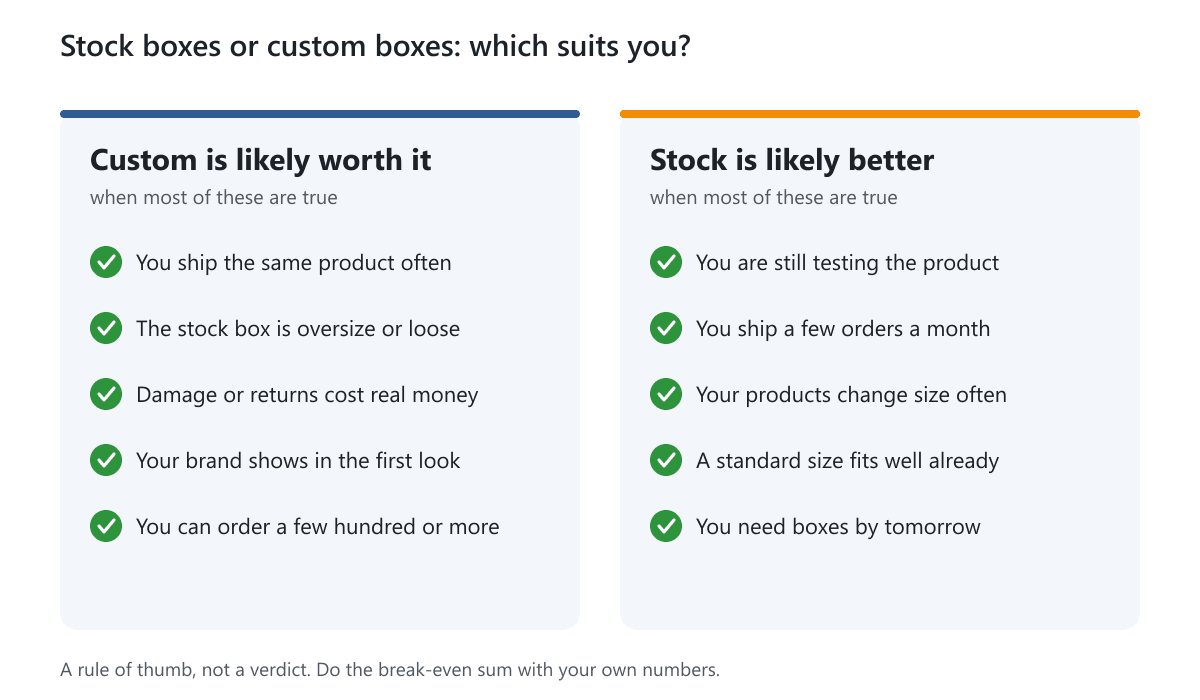
- Low volume. If you ship a few orders a month, the savings per order will take a long time to repay any set-up cost.
- A product that is still changing. If the size, shape or recipe may change soon, wait until it settles.
- A standard size already fits. If a stock box holds the product snugly and you do not need branding on it, you gain little.
- You need boxes now. Custom boxes take time. Production takes 5 to 7 working days after artwork is approved and payment is received. Larger or more complex orders can take longer, and we confirm the date in your quote. Delivery time is added on top.
- Cash is tight. Buying a few hundred custom boxes ties up money that you may need elsewhere.
There is no shame in starting with stock. Many brands start with plain boxes and a branded sticker or tape, then move to custom boxes when volume justifies it.
How to Work Out Your Break-Even Point
Break-even is the number of orders after which custom boxes have saved you more than they cost. To find yours, compare the total cost of one order in a stock box with one in a custom box, then divide your one-time costs by the saving.
The Steps
- 1. List every cost for one order in a stock box. The box, filler and tape, extra postage because of the size, and the expected cost of damage.
- 2. List the same costs for a custom box. Get a quote for the box. The filler and extra postage are usually lower.
- 3. Work out the damage cost. Multiply your damage rate by what a damaged order costs you, including the replacement, the reshipment and the time.
- 4. Subtract. The stock total minus the custom total is your saving per order. If it is zero or negative, custom does not pay on cost alone.
- 5. Add the one-time costs. For example a sample and the time you spend on artwork. Our design support is free.
- 6. Divide. One-time costs divided by the saving per order gives the number of orders to break even.
A Worked Example
This is an invented example to show the method, not a real customer or a real price. Imagine a small shop that ships a boxed product. It compares a stock box with a custom box, per order:
| Cost per order (example) | Stock box | Custom box |
|---|---|---|
| The box | $0.90 | $1.60 |
| Filler and tape | $0.15 | $0.05 |
| Extra postage from an oversize box | $0.30 | $0.00 |
| Damage: 3% of orders vs 1%, at $25 each | $0.75 | $0.25 |
| Total per order | $2.10 | $1.90 |
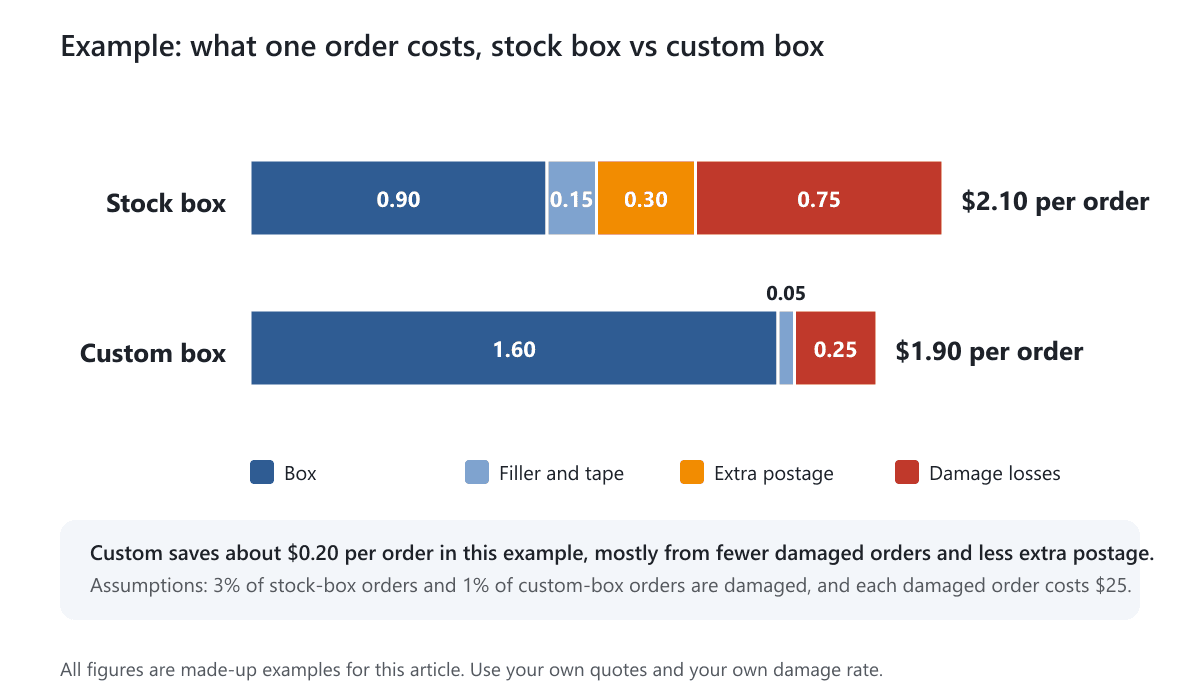
The custom box costs 70 cents more, but saves 10 cents of filler, 30 cents of postage and 50 cents of damage. The net saving is 20 cents per order. Add a one-time cost of $150 for a sample and set-up. Then break-even is $150 divided by $0.20, which is 750 orders.
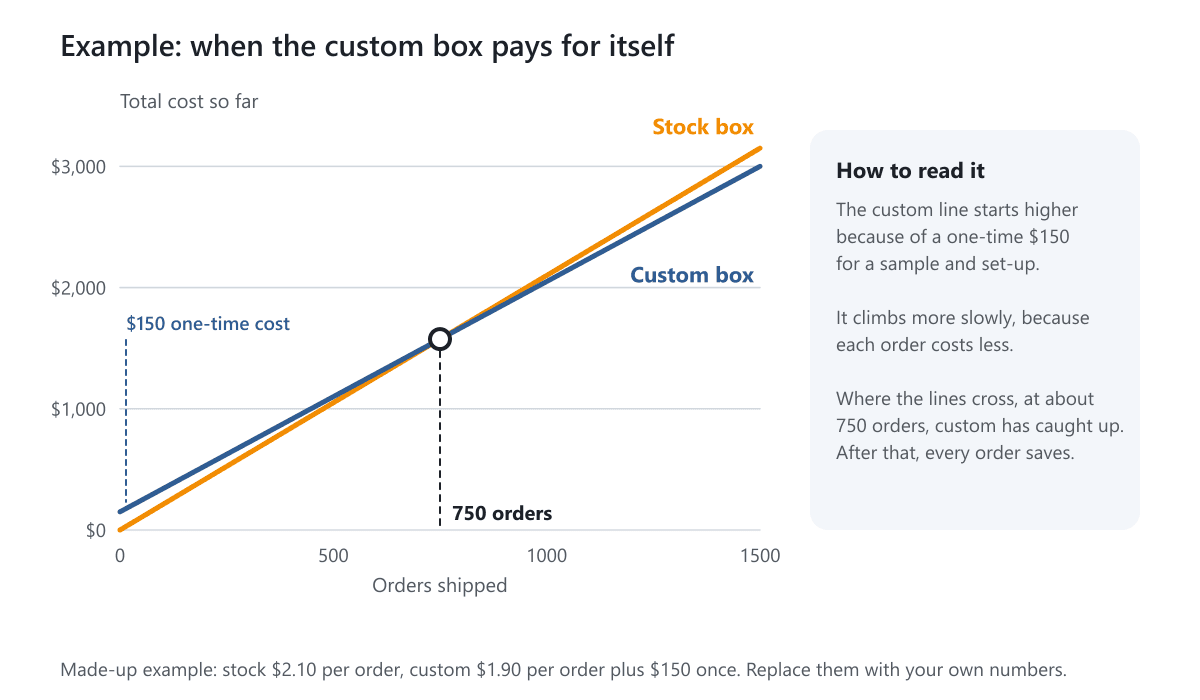
If this shop ships 400 orders a month, it breaks even in under two months. If it ships 40 orders a month, break-even takes about 19 months, and stock is likely the better call. The math is simple, but it shows how much your volume and your damage rate matter.
The brand value of the box is not in the numbers. If the unboxing sells more, brings repeat customers or earns shares online, that is extra on top of the saving. Put a modest figure on it only if you can measure it.
What Minimum Orders Mean for You
Custom boxes are made in runs. Shipping boxes start at 50 units and most other boxes at 100. A run of 100 mailer boxes is 100 orders' worth of boxes, so the first order is a bet on one design.
- Check your monthly orders. Divide the run by your monthly orders to see how long the stock lasts.
- Think about storage. Boxes that ship flat take little space. Assembled boxes take more.
- Start with the quantity you are sure to use. You can reorder once the design works. Larger runs lower the unit cost, so weigh that against the risk.
- Allow for lead time. Order before your stock runs out, not after.
Cheaper Ways to Brand Your Shipping Without Custom Boxes
If custom boxes are not right yet, you can still make parcels look like yours.
- Branded tape. A strip of your logo along every seam. See our custom tape.
- Stickers and labels. A branded sticker sealing the flap or a label on the lid. See our stickers and labels.
- Printed inserts. A card, a thank-you note or a care guide inside the box. See our custom cards.
- Inserts and tissue. An insert that holds the product neatly makes a plain box feel intentional. See our box inserts.
These give you branding at a lower commitment, and they work well alongside a plain box. They do not fix size, though. If the box is too big, tape and stickers will not lower your postage.
Costs Beyond the Box Price
When you compare options, count what sits around the box as well as the box.
- Design time. Our design support is free, but your own time still counts.
- Samples. A structural sample or the Standard Sample Kit costs something, and it prevents a bigger mistake.
- Storage. Boxes take shelf space until you use them.
- Packing time. A box that closes in seconds saves labor.
- Returns and replacements. Count the real cost of a damaged order, not just the product.
For a wider view of what moves packaging cost, see our guide to the impact of packaging costs on product pricing.
Test Before You Commit
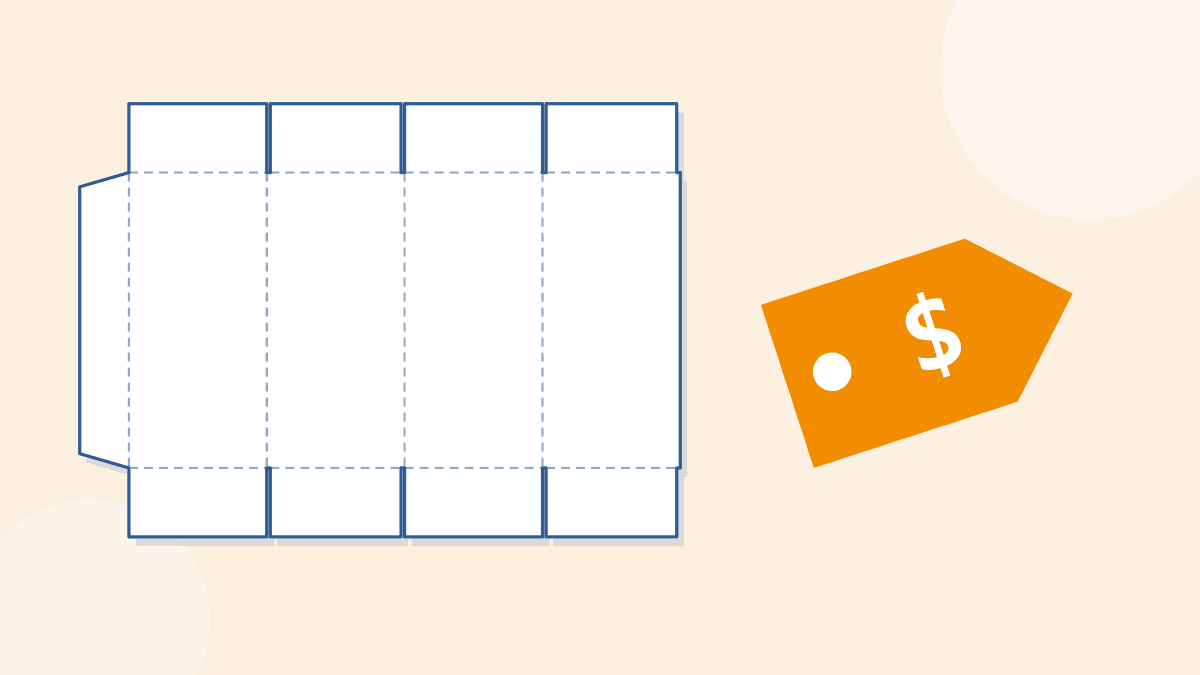
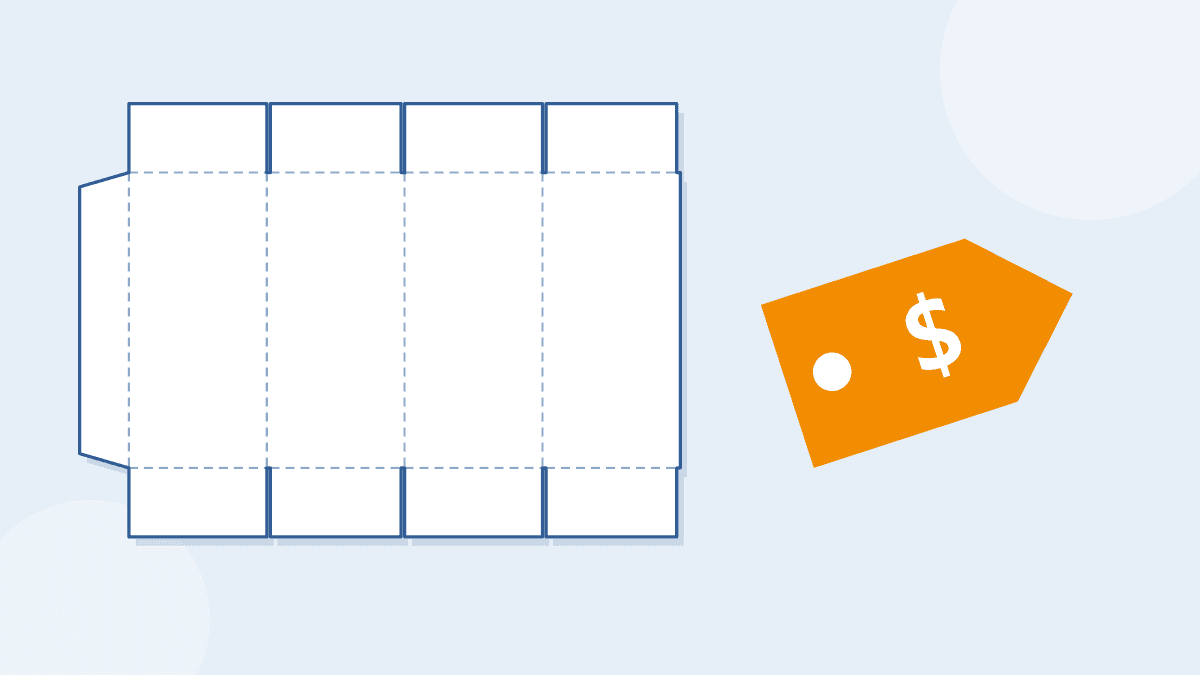
The surest way to avoid a bad order is to test the box. A structural sample is an unprinted prototype that shows the size and form, so you can check the fit with your real product. Ship it to yourself and see how it arrives. The samples page lists every sample type, and you can look at the flat pattern on our free dieline templates before you decide.
Decision Checklist
- I ship the same product, or a few sizes, most weeks.
- My stock box is too big or too loose, and I use a lot of filler.
- I have damaged or returned orders that a better fit might prevent.
- My brand matters when the customer opens the parcel.
- I can use the minimum order within a few months.
- I have run the break-even sum with my own numbers.
- I have tested a sample with my real product.
If you can tick most of these, custom boxes are likely worth it. If you tick few, start with stock boxes and branded tape or stickers, and revisit when your volume grows.
Common Mistakes
- Comparing only the price of the box and ignoring postage, filler and damage.
- Ordering a custom size before the product is final.
- Skipping the sample.
- Ordering a larger run than you can use or store.
- Expecting branding to fix a poor fit.
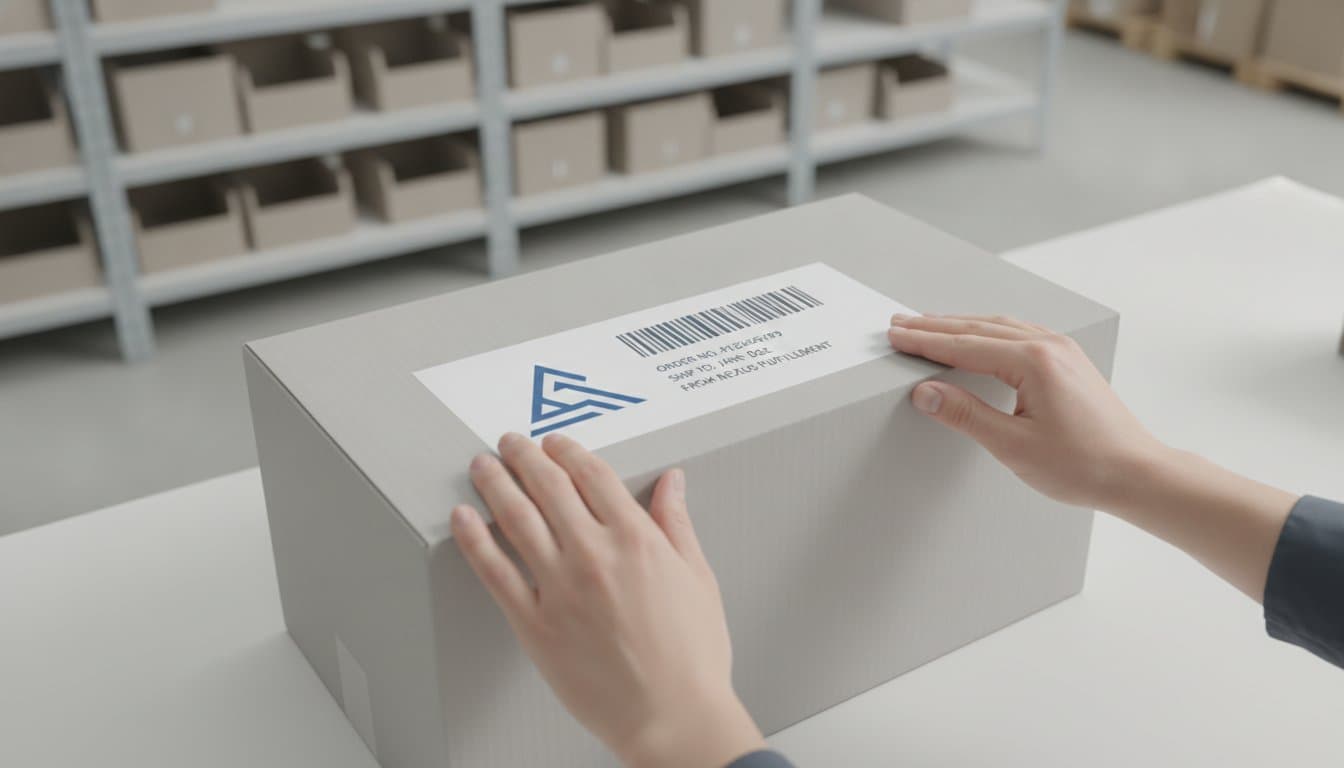
- Leaving no plain area for the shipping label. See our guide on where to place a shipping label.
Get a Quote and Decide With Real Numbers
The best way to know is to put real numbers into the break-even sum. Tell us what you ship, the size and your monthly volume, and get a free quote. Quotes include shipping, and we reply within 1 business day. You can then compare it to your stock box and decide.
Frequently Asked Questions
Are custom shipping boxes worth it for a small business?
They can be, if you ship the same product regularly and your stock box is too big or damages orders. If you ship only a few orders a month, stock boxes with branded tape or stickers are usually the better start.
How many custom boxes should I order first?
Order the quantity you are sure to use in the next few months. Minimums are modest: shipping boxes start at 50 units and mailer boxes at 100. You can reorder once the design works.
Do custom boxes lower shipping costs?
They can. A box that fits closely is smaller, which can reduce the size-based part of the shipping charge, and it needs less filler. The effect depends on your product and your carrier, so run the numbers.
Are custom shipping boxes more expensive than stock boxes?
Usually the box itself costs more per unit. The total cost per order can still be lower when you count filler, postage and damage. See our break-even example above.
Can I get branding without ordering custom boxes?
Yes. Branded tape, stickers, labels and printed inserts add your brand to a plain box at a lower commitment. They do not change the box size.
How long do custom shipping boxes take to make?
Production takes 5 to 7 working days after artwork is approved and payment is received. Larger or more complex orders can take longer, and we confirm the date in your quote. Delivery time is added on top.
How do I test a custom box before ordering?
Order a structural sample, an unprinted prototype that shows size and form, or the Standard Sample Kit. Pack your real product in it and ship it to yourself.
Written by the PacksDo Team
We make custom printed packaging, from boxes and mailers to bags, labels and inserts. Questions about this guide? Ask us.