In this article
- 1Start With the Job the Box Has to Do
- 2Clothing Box Styles and What They Suit
- 3How to Work Out the Right Size
- 4Materials: Paperboard, Corrugated and Rigid
- 5Where to Buy Clothing Boxes
- 6What Drives the Price of Clothing Boxes
- 7Brand the Box Without Overspending
- 8Sustainability Choices for Clothing Boxes
- 9How to Compare Clothing Box Suppliers
- 10Common Mistakes When Buying Clothing Boxes
- 11A Checklist Before You Order
- 12Next Step
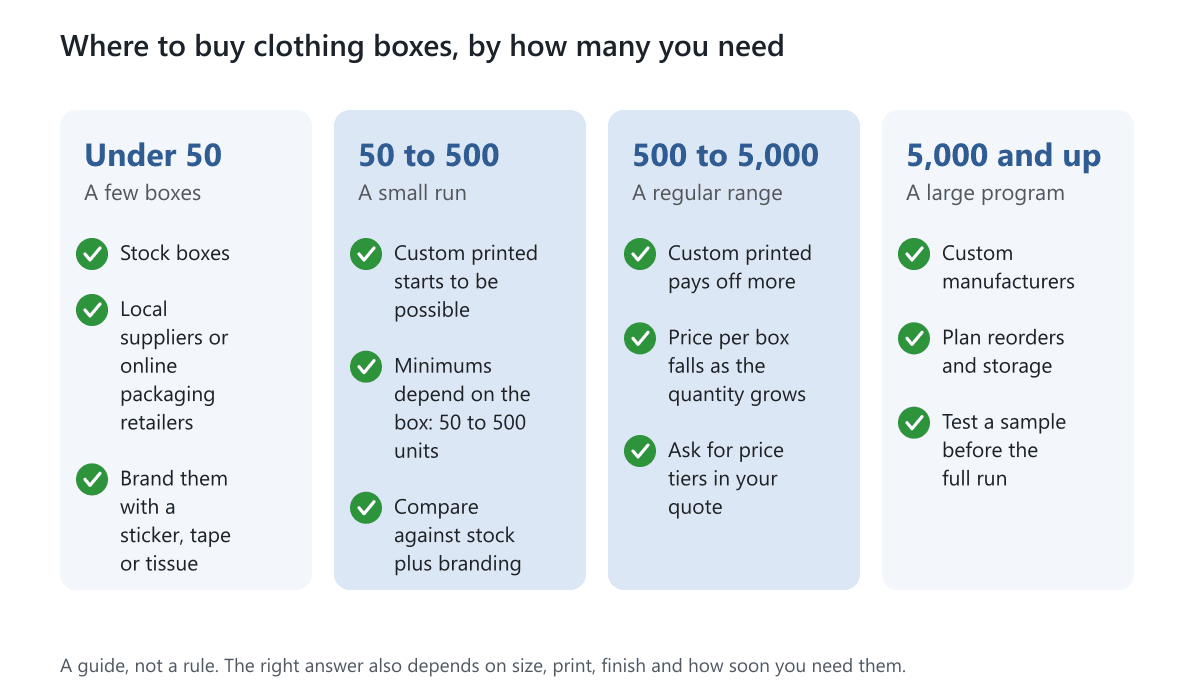
Where you buy clothing boxes depends mostly on how many you need. For a handful, buy stock boxes from a local packaging supplier or an online packaging retailer. For a few hundred or more with your own logo, order custom printed boxes from a manufacturer such as us.
This guide is for people who sell or ship apparel: small brands, boutiques, print-on-demand sellers and gift businesses. It covers the box styles that suit clothing, how to size a box around a folded garment, which materials to pick, the kinds of places you can buy from and how to judge them. It also says plainly when a stock box is the smarter choice.
Two related guides cover neighboring questions. If you ship clothes in bags instead of boxes, read what kind of packaging is best for mailing clothing. If you only need plain cartons for parcels, see where to buy cheap shipping boxes.
Key takeaways
- Small quantity, stock box. Under about 50 boxes, a stock box plus a sticker, tape or tissue paper is usually cheaper and faster than custom.
- Larger quantity, custom box. Custom printed boxes make sense once you order a few hundred, because the price per box falls as the quantity grows.
- Size from the folded garment. Fold the item the way a customer will receive it, measure that block and add a little room.
- Match the box to the job. Shipping needs corrugated strength, retail shelves need a clean print, gifts need presentation.
- Compare more than price. Check minimums, size range, board, print options, lead time, shipping cost, samples and returns.
Start With the Job the Box Has to Do
Clothing goes into a box for three different reasons, and each one points to a different kind of box. Decide which one is yours before you look at suppliers.
| Use | What matters most | Box styles to look at |
|---|---|---|
| Shipping to customers | Strength, a lid that stays shut, a size that keeps postage down | Mailer boxes, shipping boxes |
| Selling in a store | A clean printed look, easy to stack and display | Tuck boxes, folding cartons, display boxes |
| Gifts and premium orders | Presentation, the feel of opening it | Tray and sleeve boxes, rigid boxes, two piece boxes |
Many brands need two of these. An online shop might ship in a mailer box and sell socks or scarves on the shelf in a small carton. That is fine: pick a style for each job instead of forcing one box to do everything.
Clothing Box Styles and What They Suit
Mailer Boxes for Shipping Garments
A mailer box is a one-piece corrugated box with an attached lid. It ships flat, folds up in seconds and can be printed inside and out. It suits T-shirts, hoodies, joggers and folded sets. Our apparel pages note that E-flute board (about 1.2 to 2 mm thick) is the common choice, and B-flute (about 2.5 to 3 mm) suits bulkier or heavier garments.
Tuck Boxes for Small Items
A tuck box is a folding carton with a flap that tucks in. It is made from paperboard, so it is light and prints sharply. It works for socks, underwear, gloves, scarves and accessories, and for retail shelves. It is not meant for long-distance shipping on its own.
Tray and Sleeve and Two Piece Boxes for Gifts
A tray and sleeve box slides open like a drawer. A two piece foldable box has a separate lid and base that arrive flat. Both give a gift-like reveal for sweaters, scarves, baby clothes and boxed sets.
Rigid Boxes for Premium Pieces
A rigid box uses thick board wrapped in printed paper. It is the choice for luxury pieces, wedding wear and limited editions. It costs more per box, and our rigid boxes have a low minimum.
Plain Shipping Boxes for Bulk Orders
For coats, large orders and wholesale cartons, a plain or printed shipping box is the sturdy option. Shipping boxes start at 50 units. You can also see all of our apparel boxes on one page.
How to Work Out the Right Size
Clothing is soft, so a box is sized from the folded garment, not from the garment laid flat. A box that is too large lets the item slide and wrinkle. One that is too small crushes it and tears the box when you close it.
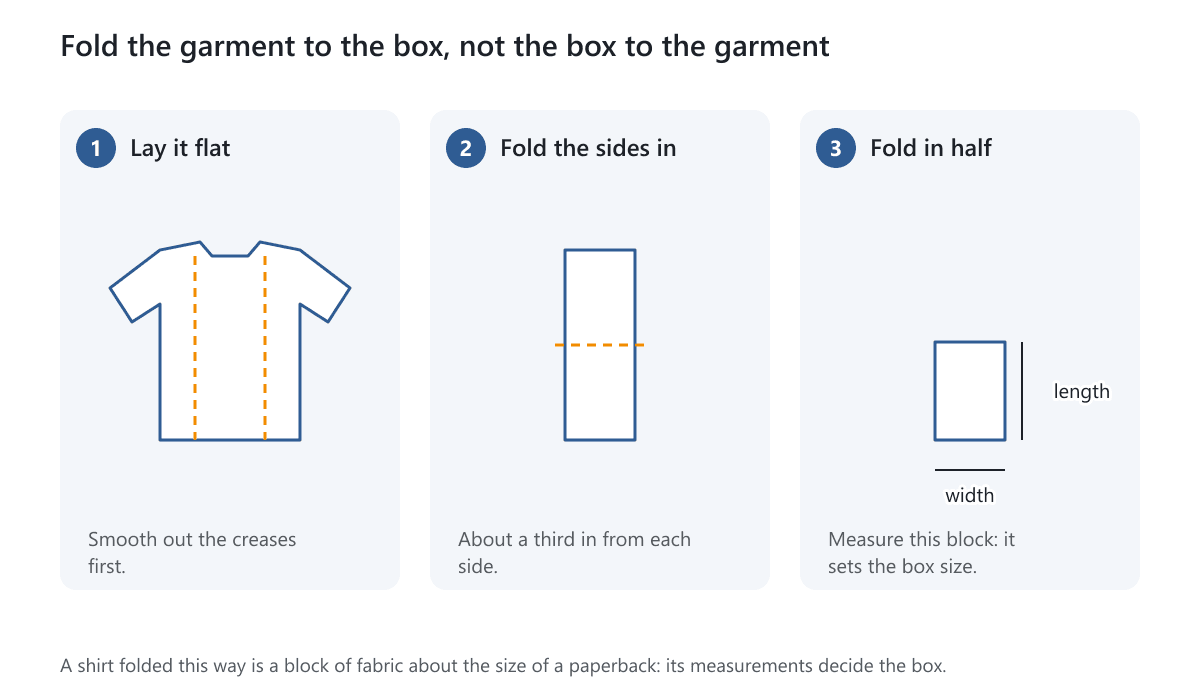
- Fold the garment the way you will pack it. Use the same fold every time, so every box fits.
- Measure the folded block. Write down length, width and height in that order. Press it gently first, as it will be pressed in the box.
- Add the extras. Include tissue paper, a thank-you card, a hang tag or a bag if they go inside.
- Add a little clearance. A few millimeters, about 1/8 inch, per side is a common starting point for a snug box. Soft clothing compresses, so you can go a little tighter than with hard products.
- Give us the inside size. Boxes are ordered by their inside dimensions. Our guide to measuring a box correctly explains inside and outside sizes and board thickness.
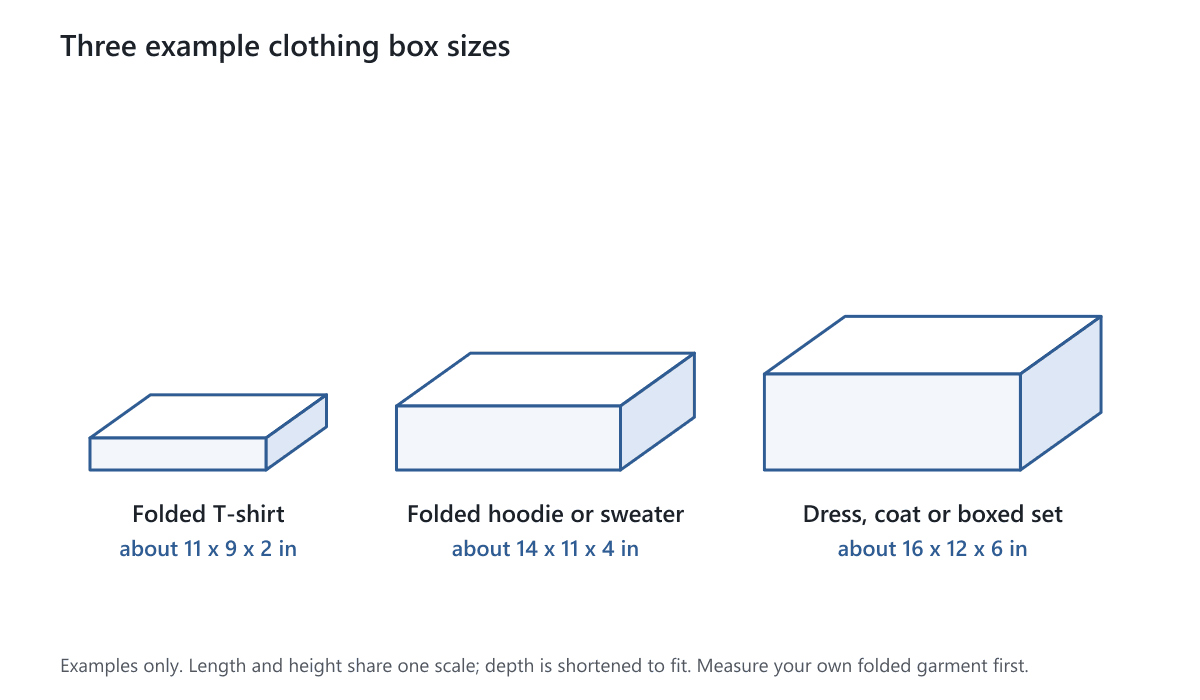
The sizes above are examples. Garments vary by brand, fabric and fold, so measure your own. A thick knit hoodie can be twice as tall as a thin tee, even in the same size.
A Worked Example
Say a small brand folds its hoodies to 13.5 x 10.5 x 3.5 inches. It adds a sheet of tissue and a card, which add about half an inch of height, and allows an eighth of an inch of clearance on each side. The inside of the box would be about 13.75 x 10.75 x 4 inches. The brand rounds that to a clean 14 x 11 x 4 and sends it as the inside size. This is an example, not a product specification.
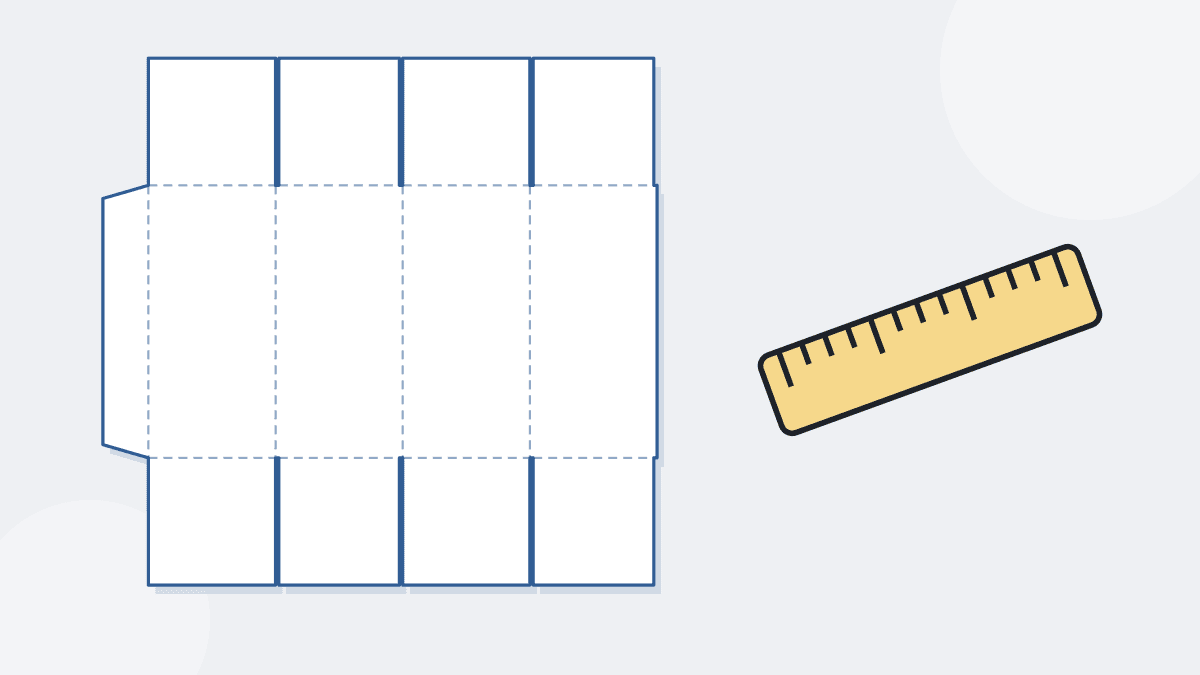
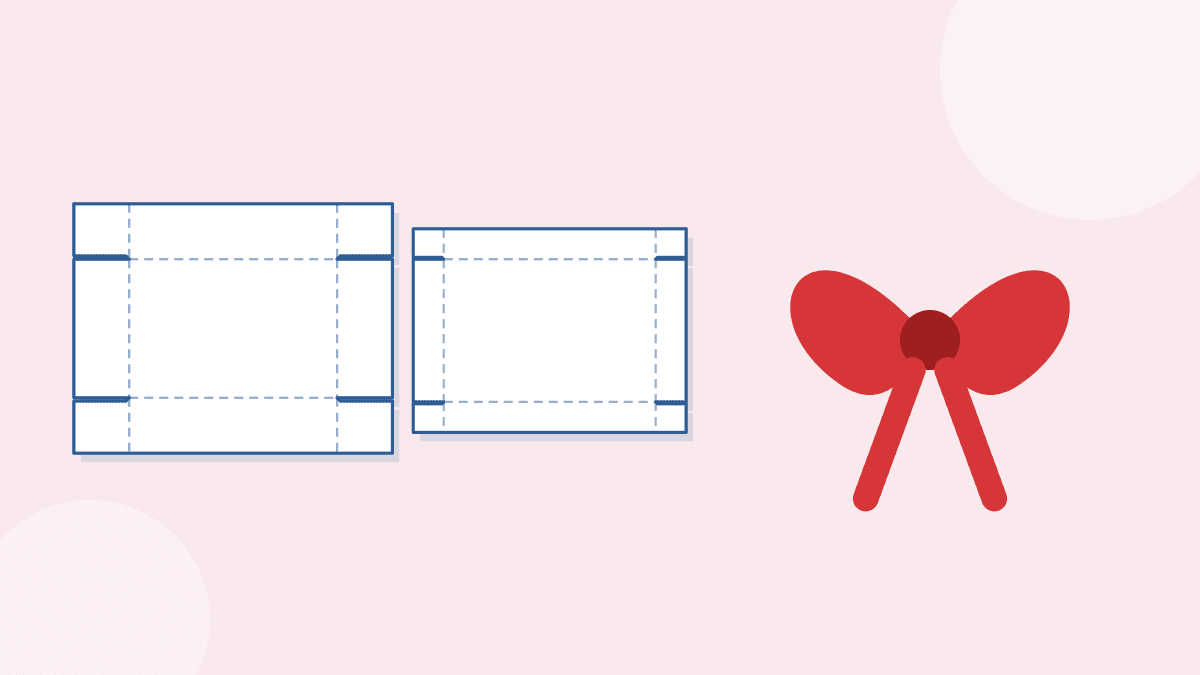
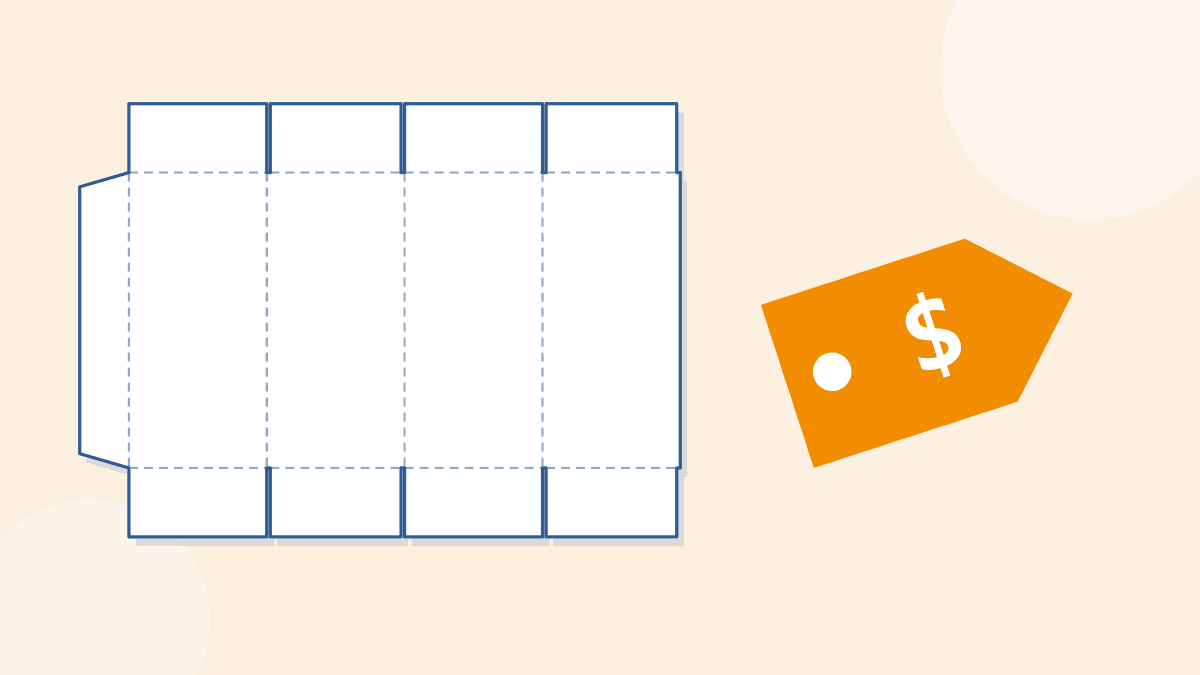
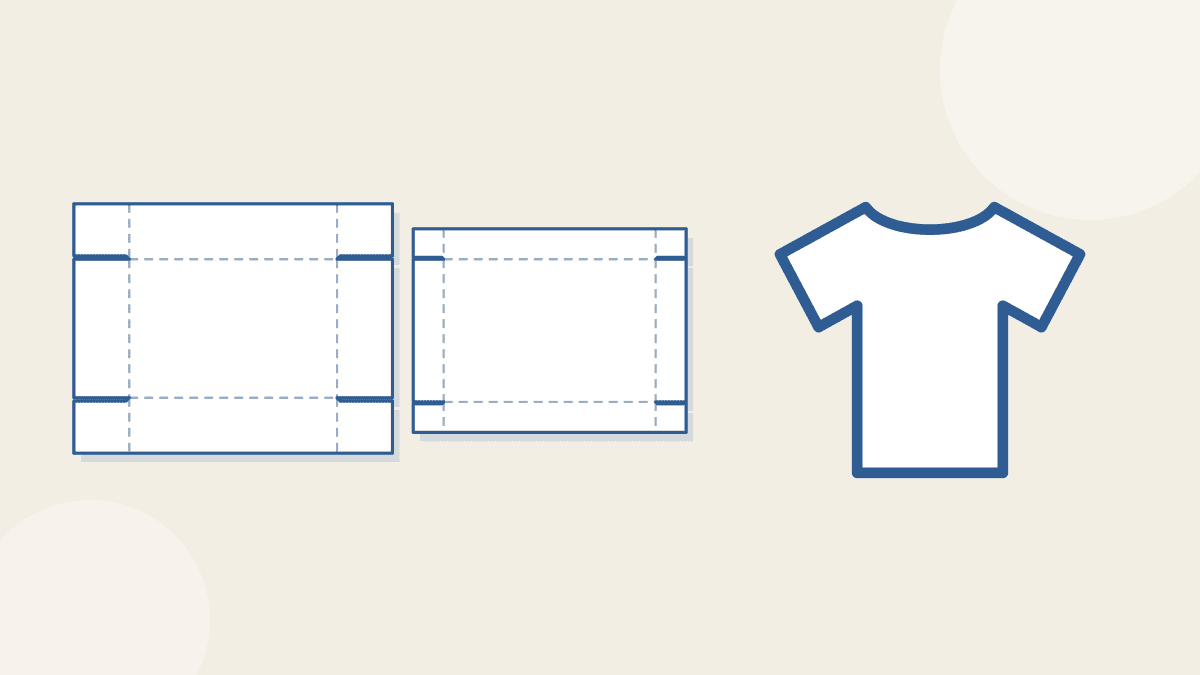
Not sure where to start? Open a free dieline template, type your size and look at the flat pattern. A dieline is the flat drawing of a box with its cut and fold lines. Our templates do not compensate for board thickness, and we confirm the final dieline with you before printing.
Materials: Paperboard, Corrugated and Rigid
| Material | Feel and strength | Best for |
|---|---|---|
| Paperboard (white or brown kraft, 300 to 400gsm) | Light, smooth, prints sharply, not built for rough shipping | Retail cartons, small items, gift sleeves |
| Corrugated board | Thicker and stronger, protects in transit | Mailer boxes, shipping boxes, heavier garments |
| Rigid board (800 to 2000gsm, wrapped in printed paper) | Very firm, premium feel, thick walls | Luxury pieces, gifts, limited editions |
Moisture is the quiet enemy of clothing. Corrugated and paperboard soak up water, so if parcels may sit on a wet porch or a loading dock, put the garment in a clean plastic bag or a paper wrap first. Fabrics such as silk and white cotton also pick up marks from dirty hands and from kraft board fibers, so wrap pale items in tissue.
Coatings change the look and the wear. Matte, glossy, satin or soft touch finishes are available through varnish or lamination. Foil stamping, embossing and spot UV add detail but also add cost. Our short guide to varnish and lamination explains the difference.
Where to Buy Clothing Boxes
There is no single best source. There are several kinds of sellers, and each one is good at something different. Here is how to think about them.
| Kind of source | Good for | Watch for |
|---|---|---|
| Local packaging suppliers | Same-day pickup, a handful of boxes, seeing board strength in person | Limited sizes and no printing |
| Online packaging retailers | Many stock sizes, packs of 10 to 100, quick dispatch | Shipping cost for large boxes, plain look |
| Warehouse clubs and shipping stores | Convenience for a few boxes | Narrow size range, little choice of board |
| Wholesale distributors | Pallet quantities of standard sizes | Large minimums, storage space |
| Local print shops | Stickers, tags and simple branding for stock boxes | Rarely make the boxes themselves |
| Custom packaging manufacturers like us | Your size, your print, your structure | Minimums, plus production and delivery time |
When a Stock Box Wins
Stock boxes win when you need a few boxes this week, when you are testing a product, or when your garment happens to fit a standard size. You can make a stock box look like yours with a printed sticker, branded tape and tissue paper. Our stickers and labels start at 500 units, so for tiny runs a local print shop may suit better.
When Custom Pays Off
Custom pays off when you ship the same garment many times, when the unboxing is part of your brand, or when stock sizes force you to add filler and pay for extra shipping weight. Minimums depend on the product: a low minimum for rigid boxes, 50 for shipping boxes, 100 for most other boxes, and 500 for items such as paper bags, poly mailers and hang tags. We offer free design support and reply to quotes within 1 business day.
What Drives the Price of Clothing Boxes
We do not list prices in this guide, because they change with the details of your order. These are the things that move the price, roughly in order of impact.
- Quantity. The larger the run, the lower the price per box.
- Size. A larger flat pattern uses more board and fewer boxes fit on a printing sheet.
- Board. Rigid costs more than corrugated, and corrugated costs more than thin paperboard.
- Print. Printing inside as well as outside, covering the whole surface and using Pantone colors all add cost.
- Finishes. Foil, embossing, spot UV and window patches add steps.
- Delivery. Boxes ship flat, which saves space, but distance and weight still count.
Our guide to the impact of packaging costs on product pricing shows how to turn these into a cost per order.
Brand the Box Without Overspending
You do not need every extra on day one. A simple order of upgrades keeps the cost sensible.
- Start with the outside. A one-color logo on kraft board looks deliberate and keeps print cost down.
- Add tissue paper. Tissue paper protects fabric and makes the reveal feel considered.
- Add a tag or card. Hang tags and thank-you cards carry care instructions and your story.
- Print the inside later. Printing inside the lid is a nice touch, and you can add it on a reorder.
- Match the bag. If you also sell in person, paper bags in the same style finish the look.
Sustainability Choices for Clothing Boxes
Customers often ask about packaging waste, and apparel brands have real choices. These are practical steps rather than slogans.
- Right-size the box. A box that fits needs less filler and uses less board.
- Use paper-based packaging. Paperboard and corrugated without plastic film are generally the easiest to recycle where local facilities accept them.
- Keep it simple. Plastic windows, foil, laminations and mixed materials can make recycling harder.
- Ask about recycled stock. Recycled stock options are available on request for our boxes.
- Think about reuse. A sturdy box that holds returns or storage gets a second life. See our tips on ways to reuse packaging boxes.
Recycling rules differ by town, so check what your local program accepts. For more on materials, read our guide to eco-friendly packaging materials.
How to Compare Clothing Box Suppliers
Ask every supplier the same questions and write down the answers. A cheap quote that leaves out half of these can end up costing more.
| Question | Why it matters |
|---|---|
| What is the minimum order? | It decides whether custom is possible at all |
| What sizes can you make? | Stock lists are limited, custom is not |
| What board and thickness is it? | Strength and the outside size depend on it |
| What printing and finishes are offered? | CMYK or Pantone, matte or gloss, foil and so on |
| How long does production take, and delivery? | Plan around both, not just one |
| Is shipping in the price? | Our quotes include shipping to the US and Canada, but taxes and duties are not included |
| Can I order a sample first? | A structural sample shows size and form before a full run |
| What happens if something is wrong? | Check the returns and remake terms |
A sample is the best way to test fit. Our Standard Sample Kit costs $50 with shipping included, and it may not include rigid boxes or boxes that ship assembled, so ask us about rigid samples. The samples page lists every sample type.
Common Mistakes When Buying Clothing Boxes
- Buying by the garment size on the label instead of the folded size.
- Forgetting tissue, cards and bags when working out the inside size.
- Choosing paperboard for shipping and finding it dented on arrival.
- Ordering a rigid box for a product that sells at a low price.
- Comparing quotes that use different boards, sizes or print.
- Skipping the sample and discovering the fit problem at 500 boxes.
- Leaving too little time, so delivery lands after a launch or sale.
A Checklist Before You Order
- Folded size measured, with extras added, written length x width x height.
- Use decided: shipping, retail, gift or a mix.
- Material chosen: paperboard, corrugated or rigid.
- Quantity and any reorder plan noted.
- Print and finish chosen, with artwork files ready.
- Sample ordered or fit checked on a template.
- Production and delivery time worked back from your date.
Next Step
If your quantity is small, start with stock boxes and a sticker. If you are ready for custom, tell us what you sell, the folded size and how many you need, and we will recommend a style. Get a free quote or read our guide to choosing the right box for your product first.
Frequently Asked Questions
Where should I buy clothing boxes?
It depends on the quantity. For a few boxes, a local packaging supplier or an online packaging retailer is quickest. For a few hundred or more with your logo, a custom packaging manufacturer gives you your own size and print. Check minimums, size range, board strength, lead time and shipping before you decide.
What size clothing box do I need?
Measure the garment folded the way you will pack it, add tissue or cards, then add a few millimeters of clearance. A folded T-shirt is often around 11 x 9 x 2 inches and a folded hoodie around 14 x 11 x 4 inches, but sizes vary a lot, so measure your own.
Are mailer boxes good for shipping clothes?
Yes. A corrugated mailer box protects clothing from crushing, ships flat before use and can be printed inside and out. For wet climates or pale fabrics, put the garment in a bag or tissue first. See our mailer boxes.
Can I order just a few custom clothing boxes?
Custom printed boxes have minimums, which depend on the product: a low minimum for rigid boxes, 50 for shipping boxes, 100 for most other boxes. For fewer than that, buy stock boxes and add a sticker, tape or tissue paper in your brand style.
How long does it take to get custom clothing boxes?
Production takes 5 to 7 working days after artwork is approved and payment is received. Larger or more complex orders can take longer, and we confirm the date in your quote. Delivery time is added on top, so plan ahead for launches and sales.
Should I use a box or a poly mailer for clothing?
Poly mailers are light and cheap to ship, which suits basics such as T-shirts. Boxes protect structured items and give a stronger unboxing. Our guide to packaging for mailing clothing compares the two.
Are clothing boxes recyclable?
Plain paperboard and corrugated boxes are generally easy to recycle where local facilities accept them. Plastic windows, foil, laminations and mixed materials can make recycling harder, and rules differ by town. Recycled stock options are available on request.
Written by the PacksDo Team
We make custom printed packaging, from boxes and mailers to bags, labels and inserts. Questions about this guide? Ask us.